Which Santa Monica enclave actually matches how you want to live? If you are deciding between a private estate north of Montana or a turnkey oceanfront residence with five-star services, the choices can feel overwhelming. You want clarity on lifestyle, privacy, walkability, and long-term ownership costs so you can move with confidence. This guide breaks down the city’s top luxury pockets by how they live day to day, with practical notes on architecture, lots, HOA dynamics, and local rules to know. Let’s dive in.
How Santa Monica luxury breaks down
Santa Monica’s luxury market clusters into three clear packages:
- Large-lot single-family estates with privacy and architectural pedigree, most notably North of Montana and select canyon pockets.
- Full-service Ocean Avenue and beachfront towers that deliver views, amenities, and a lock-and-leave lifestyle.
- Walkable inland and south-of-Downtown enclaves that mix beach-town energy with quieter residential streets.
Citywide, typical values sit in the mid-seven figures, while the trophy single-family tier north of Montana trades well above that. What separates these enclaves is less about labels and more about the daily feel: yard versus view, service versus autonomy, and quiet streets versus maximum walkability.
North of Montana estate living
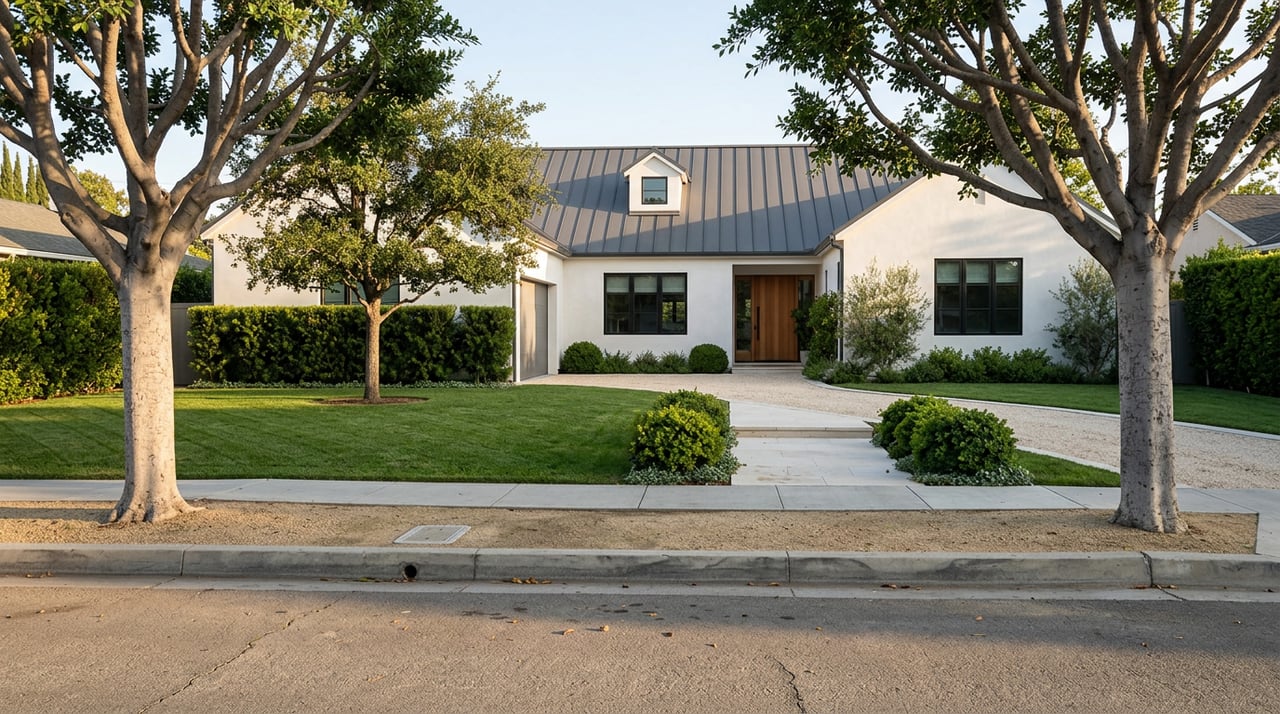
North of Montana, often identified with the 90402 area and historic pockets like Gillette’s Regent Square, is Santa Monica’s prestige single-family core. The neighborhood is defined by mature trees, wide residential streets, and a concentration of landmark homes and high-value rebuilds. For a concise background on neighborhood context and informal boundaries, see the overview of Santa Monica neighborhoods.
Who it suits
You want privacy, usable yard space, and a quiet streetscape within minutes of boutique retail. Many buyers here prioritize proximity to Montana Avenue, local schools, and a traditional single-family setting. The trade is more car use compared with the beachfront core.
Homes and lots
You will find Craftsman, Spanish Colonial Revival, mid-century examples, and contemporary statements. Typical lots are about 50 by 150 feet, with Gillette’s Regent Square parcels closer to 60 by 150 feet, which drives pricing power. Small changes in lot width, orientation, or a cul-de-sac location can produce meaningful value differences.
Price signals
Citywide typical values hover around 1.6 to 1.7 million, but North of Montana medians sit clearly above the city level, often in the 4 to 4.6 million range on neighborhood snapshots. This is Santa Monica’s trophy single-family tier.
Ocean Avenue and beachfront towers
Along the beach and bluffs near Ocean Avenue, you trade a yard for views, services, and simplicity. Buildings range from established concrete towers to newer boutique properties with curated amenities. Example offerings in this corridor include 24-hour concierge, rooftop pools and spas, fitness and yoga studios, pet facilities, and large terraces oriented to the ocean.
Who it suits
You value low-maintenance living, ocean views, and immediate beach access. Downsizers, second-home buyers, and time-pressed executives often choose this vertical, service-led lifestyle. The ability to lock the door and go is a major draw.
Ownership dynamics
Sticker price can be lower than an estate north of Montana because most options are condos. However, per-square-foot pricing, view premiums, and monthly HOA dues make net costs a case-by-case calculation. In full-service towers, HOA fees can reach into the thousands per month, reflecting staff and amenity levels. Noise and visitor seasonality near the Pier can vary by block and building.
Ocean Park and Main Street
South of Downtown and west of Lincoln, Ocean Park blends beach cottages, low-rise condos, and boutique retail along Main Street and Ocean Park Boulevard. The neighborhood ranks among the most walkable parts of the city, with Ocean Park’s Walk Score often in the 90s.
Who it suits
You want an authentic beach-town vibe with maximum car-optional living. Walking to coffee, surf, and dinner on the same block is part of the promise. Expect more block-by-block variety in homes and streetscapes than in North of Montana.
Housing and pricing
Options range from updated cottages to remodeled single-family homes and condos. Prices are typically below North of Montana single-family medians but remain premium compared with many non-coastal Los Angeles neighborhoods.
Sunset Park and Wilshire–Montana corridor
These inland pockets deliver larger usable yards and interior calm while keeping you inside Santa Monica proper. Classic 1920s to 1950s bungalows sit beside thoughtful rebuilds on traditional streets.
Who it suits
You want more house and outdoor space for the money without leaving the city. Access to services is easy, and weekend beach trips are simple, though not on your doorstep.
The tradeoff
You gain scale and privacy at home with a slightly longer walk or bike to the sand. For many buyers, that is a favorable balance.
Canyon pockets and cul-de-sacs
Near Santa Monica Canyon and the bluffs north of San Vicente, winding streets create private micro-enclaves with a different rhythm and microclimate. Parcels feel tucked away, with topography that can frame dramatic views.
Who it suits
You want seclusion and a hillside feel while staying close to the city’s core amenities. Short, dead-end streets and discreet gates reduce through traffic and enhance privacy.
Considerations
Access routes can be winding, and utility or service logistics may take extra planning. For many buyers, the sense of retreat outweighs the complexity.
Architecture and pedigree
Santa Monica’s architectural mix is part of its cachet. Early 20th-century Craftsman bungalows and Spanish Colonial Revival homes sit alongside mid-century and contemporary designs. The Santa Monica Conservancy documents local preservation and historic fabric, which contributes to the character you feel on tree-lined blocks north of Montana and across older interior streets. If architectural storytelling matters, you will find it here.
Daily life anchors you will use
- Montana Avenue’s boutiques and cafes serve as a neighborhood spine for North of Montana.
- The Third Street Promenade and Santa Monica Place add retail and dining near Downtown.
- Palisades Park and Tongva Park provide green space and ocean overlooks.
- The Annenberg Community Beach House is a public beach club experience with facilities many owners enjoy.
- The Marvin Braude Bike Trail, also known as The Strand, is the coastwide bike and run artery that locals use for commuting and fitness. For context and photos, see the Santa Monica Beach and South Bay Bike Path.
Walkability and transit context
If a car-light lifestyle is a priority, target Ocean Park and Downtown, which post some of the city’s highest Walk Scores. Montana Avenue is very walkable for retail and weekday errands, though interior North of Montana blocks feel intentionally quieter. Downtown Santa Monica is the western terminus of Metro’s E Line, offering a rail link into the city’s core. For a route overview, see the E Line summary.
Buyer checklist for each enclave
Use this quick lens to compare options:
- Space and privacy: Do you want a large yard and deeper setbacks, or will a terrace with ocean views serve your lifestyle better?
- Walkability: Is a 5-minute walk to coffee and the beach essential, or do you prefer quiet, low-traffic streets?
- Ownership costs: Will full-service HOA dues fit your plans, or do you prefer autonomous control over expenses and maintenance?
- Architecture: Do you prefer a preserved period home, a design-forward contemporary, or the simplicity of a modern tower?
- Access and circulation: Do you value quick freeway or rail access, or is a secluded canyon approach part of the appeal?
Rules and permits that shape projects
Santa Monica’s planning framework governs everything from rebuild heights to downtown design review. If you plan a major addition or a ground-up project, review the municipal code and land use rules or consult local experts early.
Properties within the coastal zone may face added permit layers for large remodels or shoreline-adjacent changes. Coastal timing and conditions can affect feasibility and schedules. For recent Commission materials and jurisdiction context, see the California Coastal Commission.
Short-term rental policy is tightly regulated in Santa Monica and has been actively enforced and litigated. If you expect to operate a property as a short-term rental, verify current rules before you buy. For a summary of litigation history, review the case background in Airbnb, Inc. v. City of Santa Monica.
Taxes and carrying costs
Los Angeles County property taxes are governed by Proposition 13, which sets a base levy near 1 percent plus voter-approved assessments. Effective rates often exceed the base once local assessments are added. For parcel-specific estimates and bill details, use the Los Angeles County Property Tax Portal.
Choosing your best-fit enclave
- The private-estate buyer: You want a primary residence with meaningful outdoor space, mature trees, and a sense of calm. North of Montana or a canyon pocket is likely your lane. The premium is driven by lot size, privacy, and architectural pedigree.
- The view-first, time-poor buyer: You want seamless services, secure parking, and instant access to the beach. An Ocean Avenue tower with full amenities will align with how you live.
- The walk-everywhere buyer: You want a bikeable, boutique neighborhood with local cafes and the beach nearby. Ocean Park and Main Street offer that car-optional promise.
There is no single right answer. The best enclave is simply the one that matches your daily rhythm and long-term plans.
Ready to refine your search or position a property for the right audience? For discreet guidance, private inventory, and a curated plan tailored to your lifestyle, connect with Alex Purewal.
FAQs
How does North of Montana pricing compare citywide?
- City values often sit near 1.6 to 1.7 million, while North of Montana neighborhood figures are typically well above 4 million due to lot size, privacy, and architectural concentration.
Do beachfront condos cost less than Santa Monica houses?
- Often on sticker price, yes, because most beachside options are condos, but per-square-foot pricing, view premiums, and HOA dues can narrow the gap.
Which Santa Monica enclaves are most walkable?
- Ocean Park and Downtown post the highest Walk Scores, while Montana Avenue itself is very walkable for errands; quieter interior North of Montana blocks favor privacy over retail on the corner.
Will I need a coastal permit for a remodel near the beach?
- Routine interior updates usually proceed normally, but large remodels or projects in the coastal zone may face added review and conditions; build in time for approvals.
What should I know about HOA fees in Ocean Avenue towers?
- Full-service buildings with concierge, pools, and fitness centers often carry HOA dues in the high hundreds to several thousand dollars per month, reflecting amenity and staffing levels.
How are property taxes calculated in Santa Monica?
- Under Proposition 13, the base rate is about 1 percent of assessed value plus voter-approved assessments; check the County portal for parcel-specific totals.