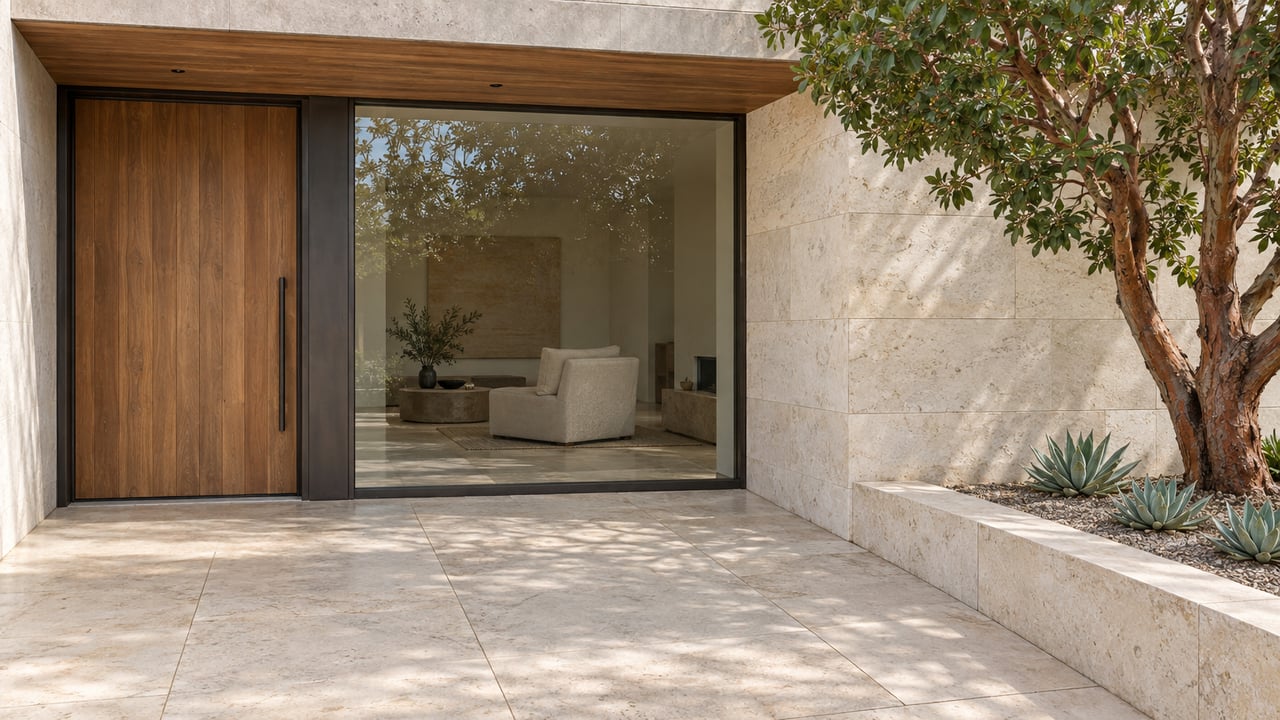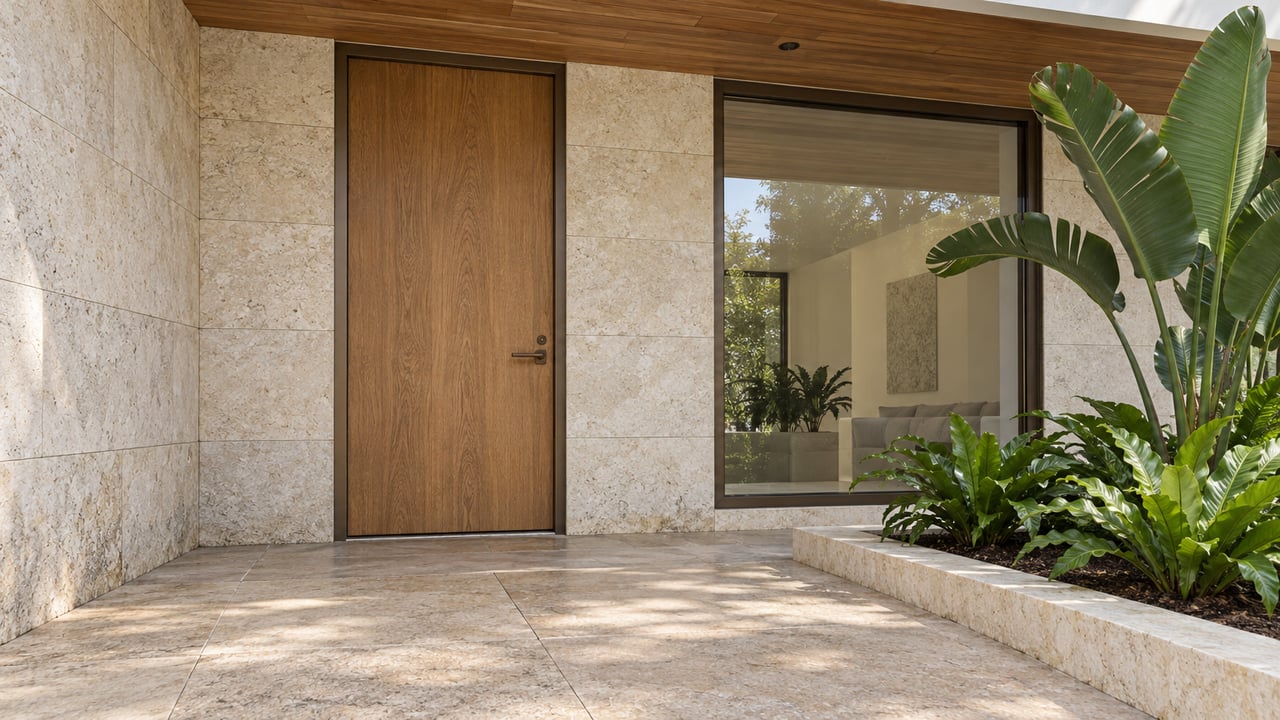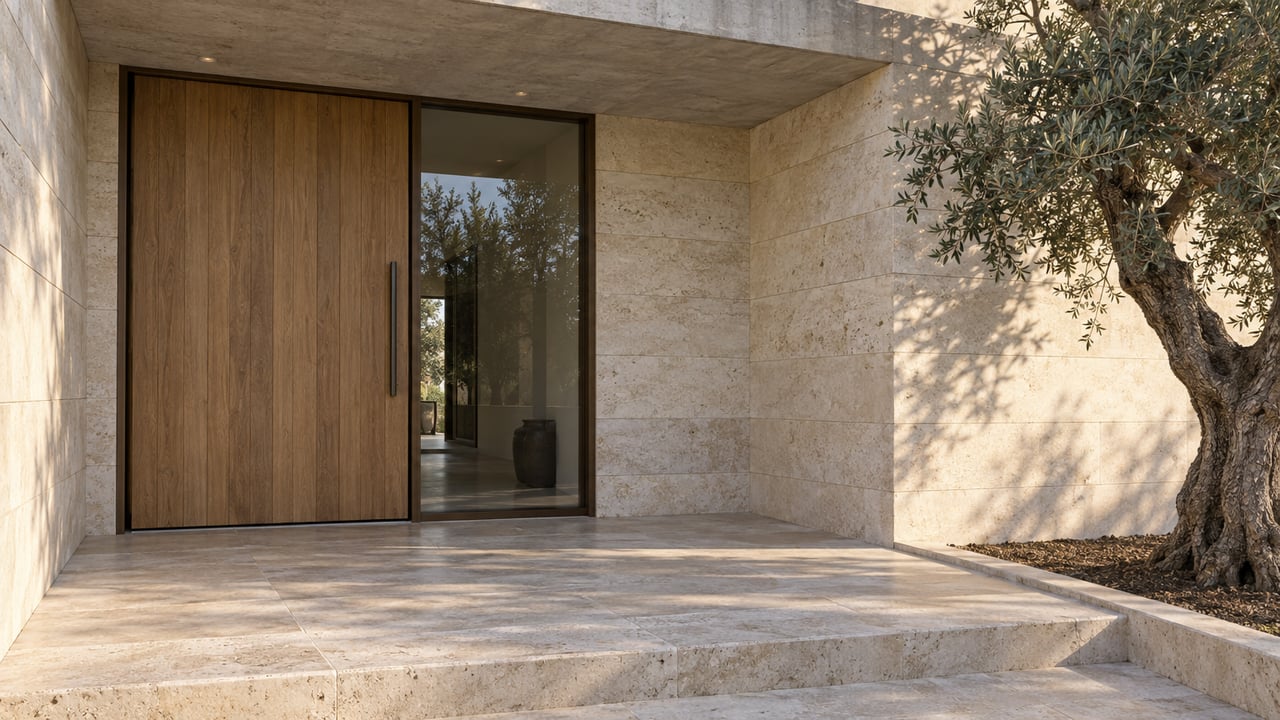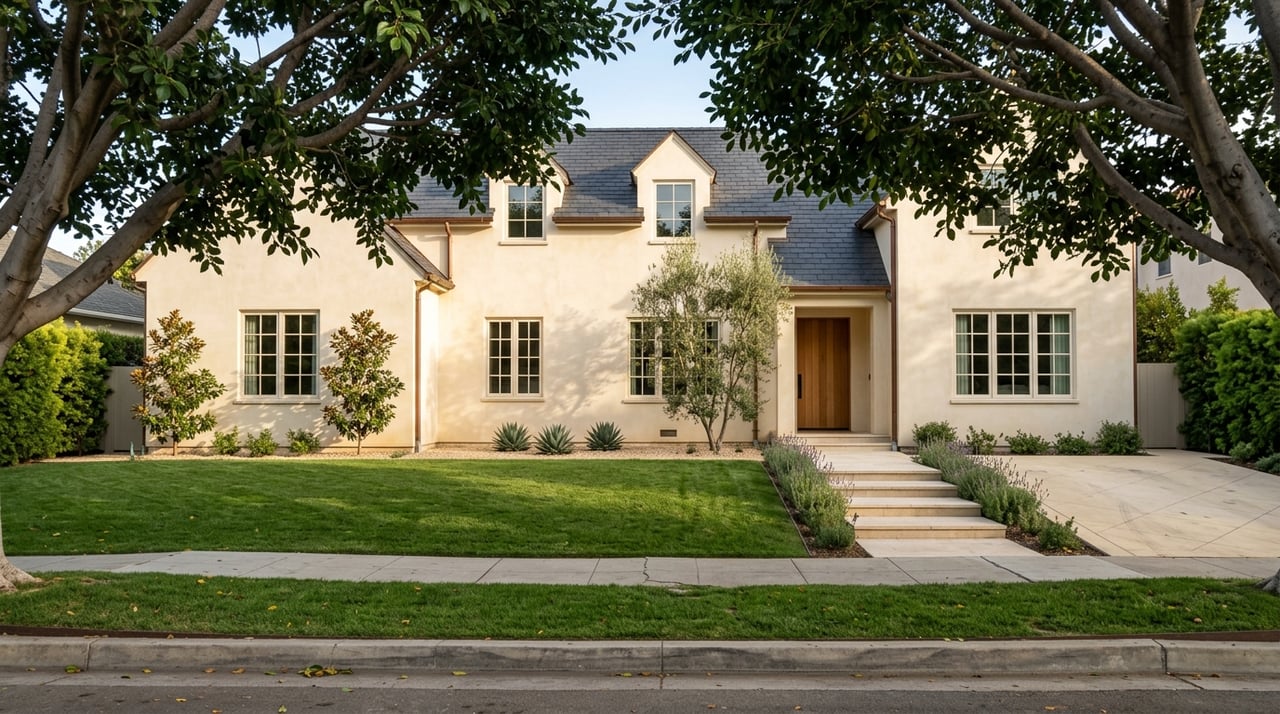
If you picture Brentwood as one uniform luxury neighborhood, you may miss what makes it special. Brentwood is better understood as a collection of distinct residential pockets, each with its own rhythm, streetscape, and estate character. If you are searching for a leafy setting with privacy, architecture, and everyday convenience in the right balance, this guide will help you narrow where to focus your search. Let’s dive in.
Why Brentwood Feels So Residential
Brentwood is a largely residential Westside neighborhood with nearly 42,000 residents, according to City of Los Angeles materials. Commercial activity is concentrated along Wilshire, San Vicente, and Sunset, while much of the neighborhood is shaped by mostly single-family homes and very low-density residential planning.
That distinction matters if you are exploring estate living. Brentwood’s luxury appeal is not spread evenly across the entire neighborhood. Instead, it is concentrated in several micro-neighborhoods where lot size, topography, and historic planning create a more private and leafy feel.
Brentwood Park: Formal Estate Living
Brentwood Park is the clearest expression of classic estate Brentwood. The neighborhood is generally bounded by 26th Street, Rockingham, Cliffwood, and San Vicente, and city planning materials describe it as covering about 500 parcels across roughly 350 acres.
What stands out most here is scale. Official sources note that some lots exceed an acre, and many have at least 100 feet of frontage, which gives the area a broad, open look that is increasingly rare on the Westside.
The streetscape adds to that sense of permanence. Brentwood Park is known for curving streets, landscaped traffic circles, broad parkways, and mature trees, all of which were intentional planning features rather than incidental details.
Architecturally, you will see a mix of Period Revival homes, early Modern houses, and Ranch-style residences. The result is a neighborhood that feels established, polished, and distinctly residential without losing visual variety.
Why Buyers Focus on Brentwood Park
For many buyers, Brentwood Park is the shorthand for traditional Brentwood estate living. If your priorities include larger lots, long setbacks, and a formal neighborhood fabric, this is often the first area to evaluate.
It is also one of the clearest examples of Brentwood’s leafy identity. Tree-lined streets, spacious lawns, and neighborhood resistance to lot division have helped preserve the area’s low-density character over time.
Mandeville and Sullivan Canyons: Privacy and Equestrian Character
North of Sunset, Brentwood shifts into a more secluded landscape. In Mandeville Canyon and Kenter Canyon, city survey materials note that nearly all improved streets contain single-family houses, with larger estates becoming more common as you move deeper into the canyon corridors.
This part of Brentwood has a different kind of luxury. Instead of formal frontage and neighborhood symmetry, you get a more rustic setting shaped by hillsides, mature trees, and a quieter sense of retreat.
Mandeville Canyon has long been associated with horse properties. City planning sources highlight large estates with paddocks, stables, and horse trails, and note that development resumed in the early 1940s with an orientation toward equestrian use.
Nearby Sullivan Canyon, along the Brentwood-Palisades border, is preserved for open space and equestrian use. The nearby Riviera Ranch and Old Ranch Road area was designed for small equestrian ranches with split-rail fences, stables, corrals, bridle paths, and mature trees.
Who These Canyon Areas Suit Best
If you want privacy with a more natural setting, the canyon neighborhoods often stand apart from flatter Westside streets. They can feel removed from nearby commercial corridors while still remaining part of Brentwood’s broader residential fabric.
These areas may also appeal to buyers who value horse-friendly surroundings or simply prefer a less formal estate environment. The overall character is more rustic California Ranch than classic boulevard estate.
Crestwood Hills: Brentwood’s Design-Forward Pocket
Crestwood Hills offers a very different version of luxury living. Located in upper Kenter Canyon, it is known for architecturally significant mid-century modern homes and a planning history that still shapes the neighborhood today.
The Los Angeles Conservancy describes Crestwood Hills as a 1940s cooperative development on 800 acres that produced 160 homes, becoming the only successful housing cooperative in California. The houses were designed with open plans, large expanses of glass, concrete block and redwood, and many were set at an angle to the street.
There is a strong visual identity here. Many homes were limited to one story from street level, which helps preserve sightlines and reinforces the neighborhood’s low, horizontal profile.
Why Crestwood Hills Appeals to Modernist Buyers
If your focus is architectural pedigree rather than purely lot size, Crestwood Hills deserves close attention. It is the most design-oriented of Brentwood’s leafy estate pockets and remains known for preserving its mid-century legacy.
This is Brentwood for buyers who care about form, materials, and planning as much as square footage. The atmosphere is quiet and residential, but the aesthetic language is clearly different from Brentwood Park or the canyon ranch areas.
Brentwood Glen, Westgate, and the Convenient Edge
Not every sought-after part of Brentwood reads as a pure estate district. Brentwood Glen and Westgate are important to the neighborhood’s texture, even though they are generally less estate-focused than Brentwood Park or the canyon corridors.
Planning materials note that Brentwood Glen was subdivided in the 1920s and developed mainly between 1935 and 1942. Westgate began as an early subdivision along San Vicente that was served by streetcar, and its former trolley line is still remembered by the coral tree median.
These areas matter because they help explain Brentwood’s range. You can still get a residential setting with character and mature landscaping, but with a somewhat denser, more connected feel than the larger-lot estate pockets.
Where Daily Conveniences Cluster
For day-to-day ease, Brentwood Village near Sunset and Barrington is one of the clearest amenity hubs. Planning sources describe it as a small pedestrian-oriented commercial center with neighborhood-serving businesses, mature trees, and a central parking courtyard.
The Brentwood Country Mart, which opened in 1948, is another nearby community hub with shops, dining, services, and events. City materials also list the Brentwood Branch Library and Brentwood Farmers Market among the neighborhood’s everyday amenities.
If you want a residential setting that keeps errands and local services close at hand, village-adjacent pockets may be worth a serious look. For some buyers, that convenience becomes just as important as lot size.
What Makes Brentwood Look So Leafy
Brentwood’s greenery is not just a matter of mature landscaping. Official and preservation sources repeatedly point to wide curving streets, parkways, landscaped islands, coral trees, bridle paths, and low horizontal massing as defining features of the neighborhood’s visual identity.
The architecture also plays a role. Across Brentwood’s estate pockets, you see formal Period Revival homes, Ranch compounds, and mid-century modern houses, often paired with clay tile or wood-shake roofs, open plans, and generous setbacks.
Together, those elements create the leafy, established look that many buyers associate with Brentwood. Even near major boulevards, the neighborhood can feel buffered by planning, topography, and tree canopy.
How to Choose the Right Brentwood Pocket
The simplest way to think about Brentwood’s leafy estate neighborhoods is by lifestyle fit.
- Brentwood Park for formal estate lots, broad frontage, and classic residential planning
- Mandeville Canyon and Sullivan Canyon for privacy, rustic character, and equestrian identity
- Crestwood Hills for architecturally significant mid-century modern homes
- Brentwood Glen and village-adjacent areas for a more connected setting near daily conveniences
This framework is more useful than treating Brentwood as one single luxury enclave. The market is shaped by micro-neighborhood differences, and those differences can have a big impact on how a home feels day to day.
Nearby Amenities and Institutions to Know
Brentwood also has several long-established local institutions that help define the area. Brentwood Country Club, located on South Burlingame Avenue, describes itself as a neighborhood club since 1948.
The neighborhood also includes a notable school corridor. Brentwood School has campuses on Sunset and Barrington, Archer School for Girls is on Sunset, and city materials list Brentwood Science Magnet, Kenter Canyon Elementary, and Paul Revere Charter Middle School among the public school options.
For some buyers, proximity to the broader Brentwood-Palisades corridor also matters. While not in Brentwood, Riviera Country Club in Pacific Palisades is a nearby private club that often comes up in conversations about the luxury Westside lifestyle.
If you are weighing Brentwood against other Westside neighborhoods, this mix of residential calm, architectural range, and nearby amenities is a big part of the appeal. The key is identifying which pocket matches the way you actually want to live.
If you are considering a move in Brentwood or comparing its estate pockets with other Westside luxury neighborhoods, a tailored search can save time and sharpen your decision-making. For discreet guidance and access to curated opportunities across Brentwood and the coastal corridor, connect with Alex Purewal.
FAQs
Which Brentwood neighborhood has the largest estate lots?
- Brentwood Park has the clearest large-lot profile in official sources, including some parcels over an acre and many with at least 100 feet of frontage.
Which Brentwood area feels most equestrian?
- Mandeville Canyon, Sullivan Canyon, and the nearby Old Ranch Road area are the most strongly associated with horse properties, bridle paths, stables, and riding-oriented open space.
Which Brentwood neighborhood is best known for mid-century modern homes?
- Crestwood Hills is Brentwood’s most design-oriented pocket and is especially known for its mid-century modern planning history and architecture.
Which Brentwood area is closest to daily conveniences?
- Brentwood Village and nearby pockets offer the clearest access to neighborhood-serving businesses, with the Brentwood Country Mart, library, and farmers market also nearby.
Is all of Brentwood made up of estate neighborhoods?
- No. Brentwood is largely residential, but its estate character is concentrated in specific micro-neighborhoods rather than spread evenly across the entire area.