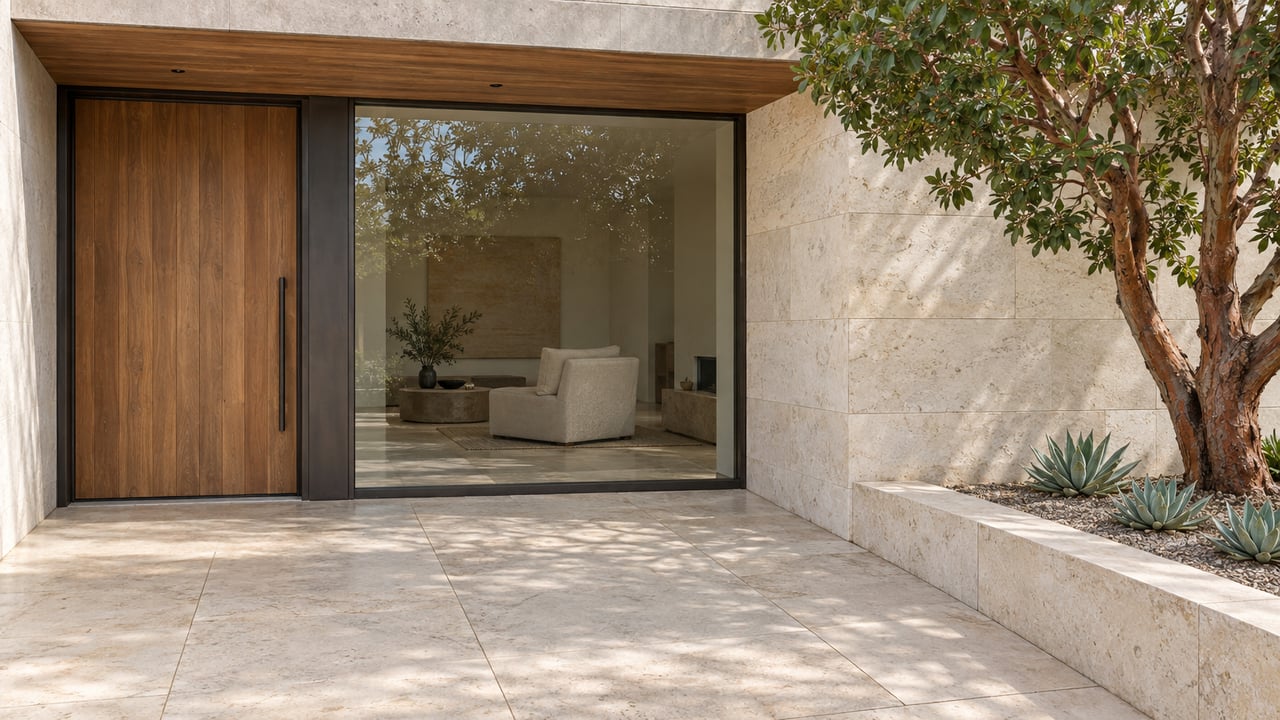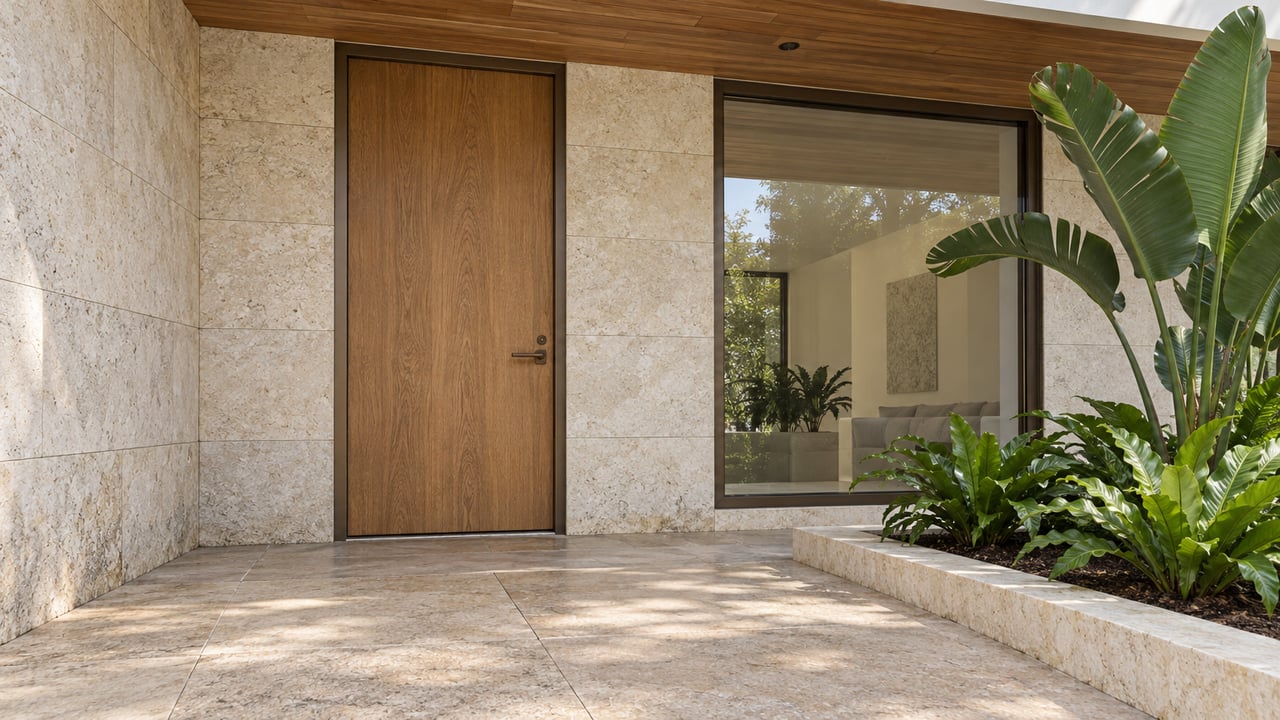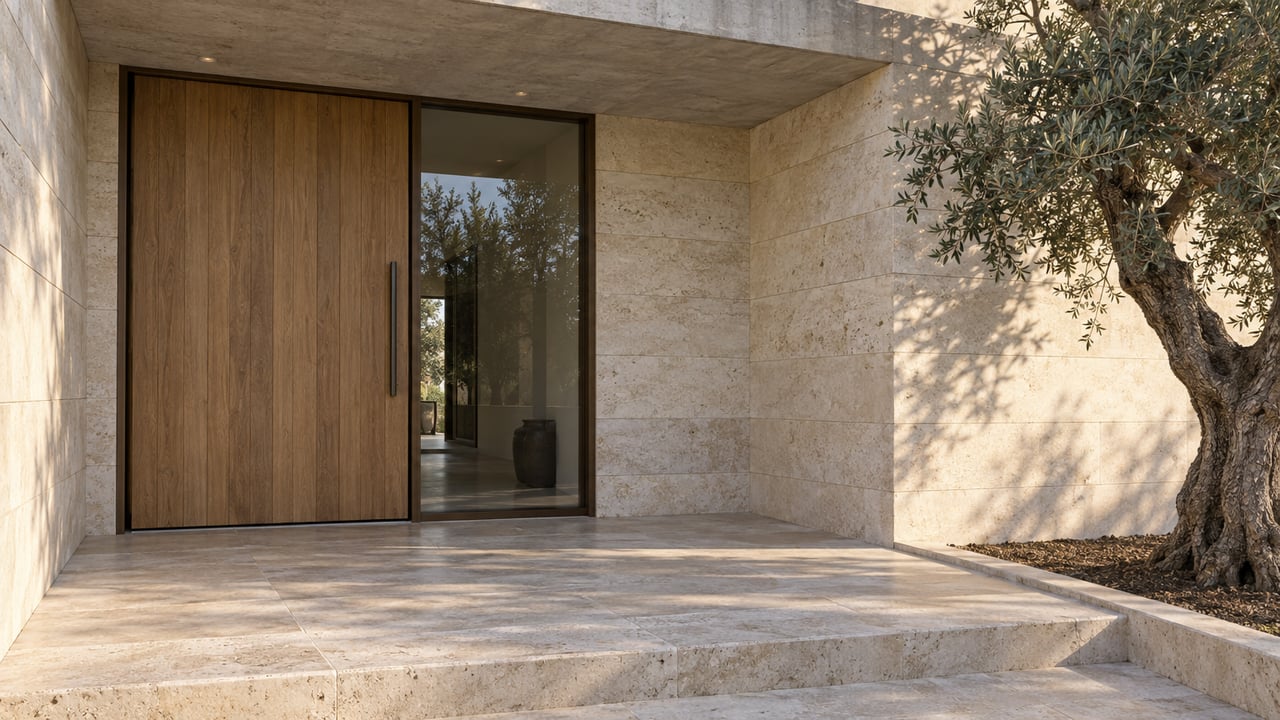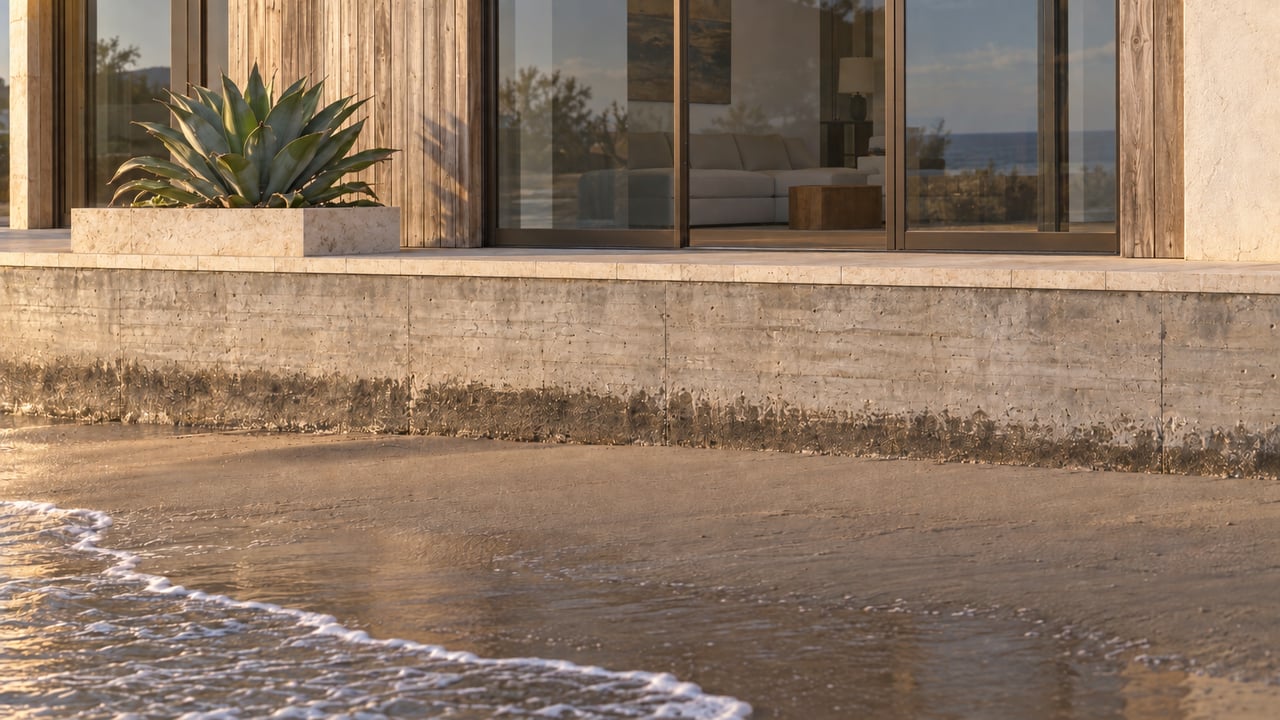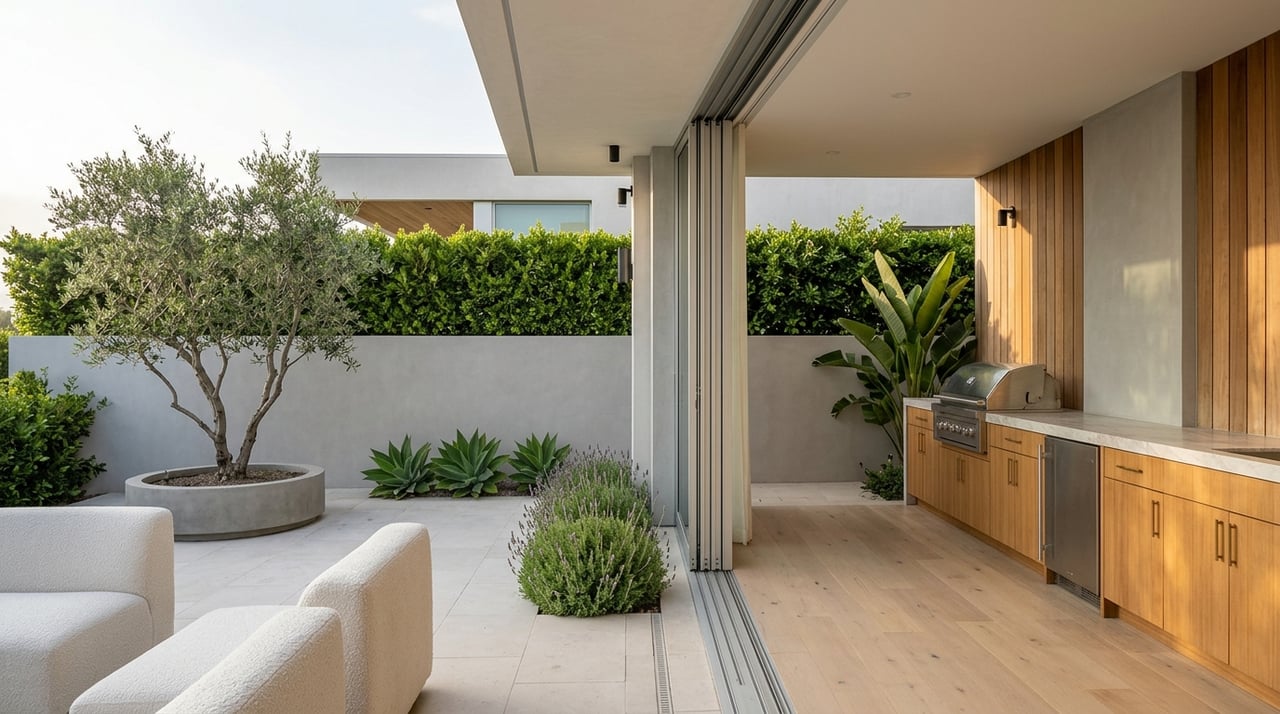
If you are designing a home in Malibu, square footage is only part of the story. What matters just as much is how the property lives from a cool, foggy morning to a breezy afternoon, and how well it responds to the area’s view protections, salt air, and wildfire exposure. When you understand those local conditions early, you can create a home that feels beautiful, usable, and well aligned with the coast. Let’s dive in.
Start With Malibu’s Climate
A Malibu home should feel comfortable across changing coastal conditions, not just on a perfect sunny day. The area sits within California’s coastal-zone framework, and local development is shaped by marine weather, protected views, and wildfire exposure under Malibu’s certified Local Coastal Program, as outlined by the California Coastal Commission.
That climate pattern matters in practical ways. Marine stratus and sea-breeze circulation can bring low clouds and fog inland, according to the National Weather Service overview of the marine layer. In Malibu, that means the most successful homes often include sheltered terraces, shaded outdoor rooms, and flexible indoor-outdoor transitions that still feel inviting when the weather shifts.
Design for Daily Coastal Living
The coastal lifestyle is often imagined as fully open walls and nonstop sun, but the reality is more nuanced. In Malibu, outdoor spaces work best when they can handle bright afternoons, cool mornings, and onshore breezes without losing comfort.
Think about layering your outdoor program instead of relying on one large patio. Covered seating, wind-protected dining areas, and transitional spaces near the main living areas can make the home feel more usable throughout the day. That kind of planning supports the lifestyle many buyers want in Malibu: easy flow, strong connection to the site, and spaces that feel private and relaxed.
Respect Views From the Start
In Malibu, views are not only a design priority. They are also part of the regulatory framework. The city’s scenic policies and Local Coastal Program strongly favor preserving ocean and ridgeline views from public vantage points, including scenic roads, beaches, and public viewing areas, as detailed in the Malibu Local Implementation Plan.
On certain ocean-side parcels, if a structure cannot be placed below road grade, Malibu requires a contiguous ocean-view corridor equal to 20 percent of the site’s lineal frontage. No part of the structure may extend into that corridor, and landscaping within it should be low-growing and visually permeable, according to the same LCP guidance.
That has a major impact on how you approach massing, placement, and even planting. A strong design concept in Malibu usually starts by asking how the home can frame private views while also respecting public view protections. When done well, the result often feels more refined and more connected to the landscape.
Let the Site Shape the Architecture
Hillside and sloped parcels are common in Malibu, and the site should lead the design. Malibu’s Local Coastal Program calls for development that follows the land rather than flattening it, with grading that minimizes landform alteration through contour grading. The same guidance notes that split-level or stepped-pad designs can help notch development into hillsides where feasible, according to the city’s coastal planning framework.
This is one of the clearest ways Malibu differs from flatter luxury markets. Instead of forcing a house onto the land, the better approach is usually to let the topography inform the floor plan, entry sequence, and outdoor spaces. That can produce a home that feels more natural on the site and better positioned for views, drainage, and long-term usability.
For some applications involving land division, the city asks for studies tied closely to site conditions, including grading, drainage and runoff control, landscape, conceptual fuel-modification, and line-of-sight analysis, based on the same LCP document. That is a reminder that in Malibu, architecture and site planning are deeply connected.
Understand Permitting Early
Permitting should be part of the design conversation from day one. Malibu states that a Coastal Development Permit is required for new onsite wastewater systems, and larger rebuilds or relocations can also trigger CDP review, according to the city’s process for installing a new system.
If you are considering a guest structure or a future flexibility play, that matters too. Malibu’s ADU guidance says projects must comply with state ADU law, the Coastal Act, and local LCP requirements, as noted on the city’s Accessory Dwelling Units page. In other words, additions like a casita or secondary unit should be planned as part of the overall site strategy, not treated as an afterthought.
Choose Materials for Salt Air
A beautiful material palette in Malibu also needs to be durable. Salt spray and moisture can accelerate corrosion, especially on metal connectors, straps, clips, and flashing, according to FEMA’s coastal construction guidance. FEMA also notes that corrosion severity is greatest near breaking waves and declines with distance from the shoreline.
For homes within 3,000 feet of the coast, FEMA recommends stainless steel in exposed conditions, based on that same coastal guidance document. Flashing also deserves close attention, since failures can lead to leaks, corrosion, and dry rot.
This is where thoughtful detailing can protect both the look of the home and the owner’s long-term maintenance burden. In a market where finish quality is expected, durability behind the walls matters just as much as what you can see.
Build Fire Awareness Into the Design
Malibu’s coastal appeal exists alongside real wildfire risk. The city says Malibu remains entirely in a Very High Fire Hazard Severity Zone, and its wildfire guidance notes that embers are a major ignition source that can travel more than a mile, according to the city’s Home Wildfire Assessments information.
That makes material and envelope choices especially important. Malibu recommends fire-resistant exterior materials such as brick, cement, masonry, or stucco, along with practical measures like sealing eaves and keeping gutters clear, based on the same wildfire guidance.
For a new build or major renovation, fire hardening should not feel separate from the design vision. In Malibu, the best homes integrate resilience into the architecture itself, so the property still feels elevated, calm, and appropriate to the setting.
Program Spaces Around Lifestyle
Malibu homes are often judged by how the site lives, not only by bedroom count. The city’s residential ordinance explicitly lists accessory uses that support an amenity-rich home program, including pools, spas, pool houses, cabanas, water features, gazebos, private sports courts, workshops, gyms, home studios, and home offices, as shown in Ordinance No. 510.
That is useful because it confirms what many luxury buyers already value: outdoor living, recreation, flexibility, and privacy are central to the Malibu experience. If you are designing for your own use or future resale, it helps to think of the property as a full lifestyle environment rather than a main house with leftover yard.
A strong program might include:
- A protected outdoor lounge for morning and evening use
- A pool and spa zone connected to the main entertaining spaces
- A gym, studio, or home office integrated into the daily flow
- A pool house, cabana, or workshop where allowed
- Thoughtful privacy planning across driveways, entries, and outdoor rooms
Think Carefully About Guest Houses and ADUs
Guest houses and ADUs can add flexibility, but they are regulated in Malibu. The city states it is updating ADU rules to align with state law and coastal requirements, and its ordinance text ties guest houses to a primary dwelling while clustering them with the main house to minimize required fuel modification, according to the city’s ADU page.
From a design perspective, that means these spaces should support the site plan as a whole. A secondary structure may work best when it strengthens privacy, complements the architecture, and fits the permitting path from the beginning. In Malibu, a guest house that feels intentional is usually more valuable than one that feels added on.
Design Choices That Support Resale
Even if you are building for yourself, it is smart to think about future market appeal. In Malibu, the strongest design story often sits at the intersection of preserved views, resilient materials, and livable outdoor space. That combination aligns with both local conditions and the way many buyers want to experience the coast.
Homes that respect ocean outlooks, use materials suited to salt air, and reflect fire-aware site planning are often easier to position as complete lifestyle properties. Buyers in this segment tend to notice whether a home feels truly calibrated to Malibu or simply placed there.
Why Local Insight Matters
Designing in Malibu is never only about aesthetics. It is about understanding how climate, permitting, topography, views, and resilience all shape the finished home. The right decisions early can improve daily comfort, protect long-term value, and create a property that feels genuinely rooted in its setting.
If you are buying, selling, or evaluating a Malibu property with design potential, local context makes a real difference. For discreet guidance on coastal estates and lifestyle-driven opportunities in Malibu, connect with Alex Purewal.
FAQs
What should a Malibu home design prioritize first?
- A Malibu home design should prioritize site conditions first, especially climate, views, slope, permitting, and wildfire exposure, because those factors shape what is practical and allowed.
How do view rules affect Malibu home design?
- Malibu’s Local Coastal Program includes scenic protections for ocean and ridgeline views, and on some ocean-side parcels it may require a 20 percent lineal frontage ocean-view corridor where structures cannot extend.
What materials work best for Malibu coastal homes?
- Materials and detailing that account for salt air are important, and FEMA recommends stainless steel within 3,000 feet of the coast in exposed conditions because salt spray and moisture can accelerate corrosion.
How important is fire hardening for Malibu homes?
- Fire hardening is central in Malibu because the city remains in a Very High Fire Hazard Severity Zone, and local guidance recommends fire-resistant exterior materials plus measures like sealing eaves and maintaining gutters.
Can you add an ADU or guest house to a Malibu property?
- You may be able to, but ADUs and guest houses are regulated in Malibu and should be planned as part of the overall site strategy to align with state law, the Coastal Act, and local requirements.