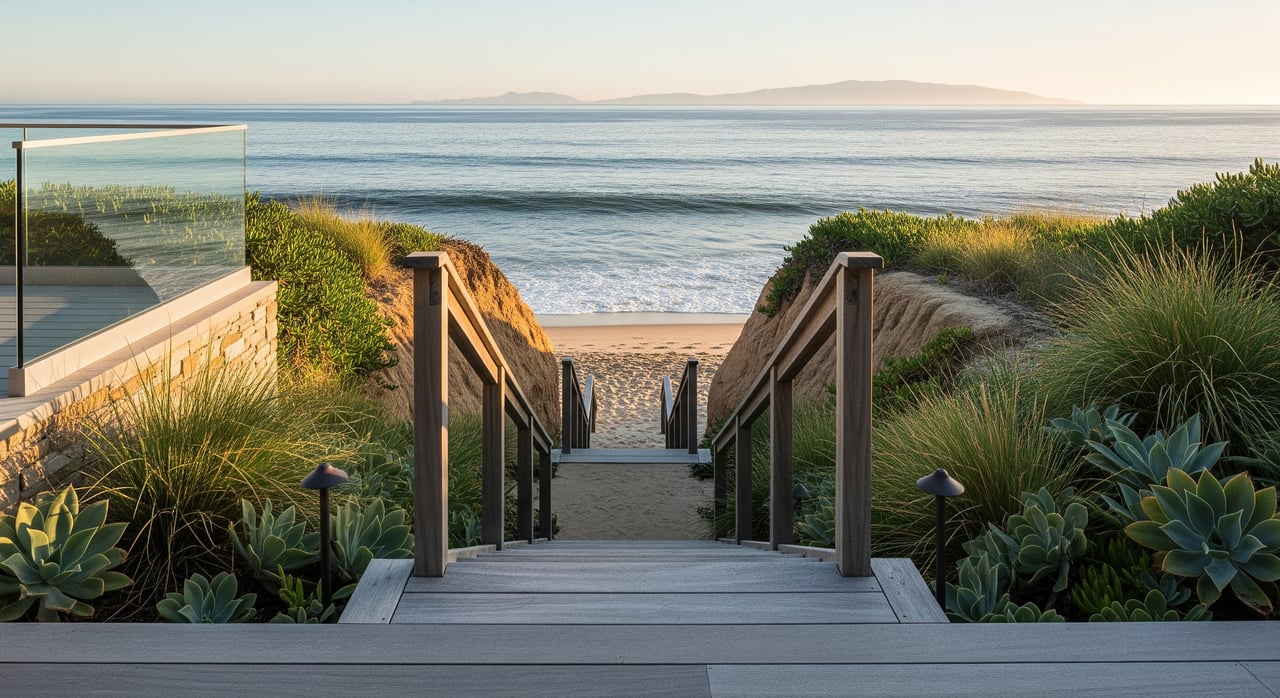
Is the beach in front of your future Malibu home usable every day, or only at certain tides? If you plan to swim before breakfast, host friends on the sand, or keep things as private as possible, the details of beach access matter. Malibu’s coastline is stunning, but access can vary street by street and season by season. In this guide, you’ll learn how to evaluate the legal basics, physical setups, and day-to-day factors that shape real-world beach living in Malibu. Let’s dive in.
What beach access really means in Malibu
Beach access is not one-size-fits-all. Some homes sit directly on the sand. Others perch on bluffs with long stairways. Many rely on shared paths or nearby public stairways. The right fit depends on your lifestyle, mobility needs, guest expectations, and tolerance for crowds.
Think about how you will actually use the beach. Daily dips? Family weekends with gear? Quiet mornings away from foot traffic? Your answers help set the right criteria for location, access type, and maintenance.
Know the legal basics
In California, the public generally has rights seaward of the mean high tide line. That means the wet sand and often some dry sand near the water are typically public, even if the land behind it is private. Review the public trust principles and how lateral and vertical access work through the California Coastal Commission’s public access resources.
Whether people can cross private land to reach the beach depends on recorded easements, dedications, and local rules. Vertical access points can be public, private, or shared. If you plan to add or repair stairs, decks, or shoreline protection, permits are usually required. Start with City of Malibu processes and Coastal Commission review. You can learn how coastal development permits function through Coastal Commission permit guidance and the City of Malibu Planning Department.
Sea-level rise and bluff retreat are growing concerns. Regulators may scrutinize new or replacement access structures and shoreline armoring. Explore long-term considerations using the NOAA Sea Level Rise Viewer.
Frontage types and how they feel day to day
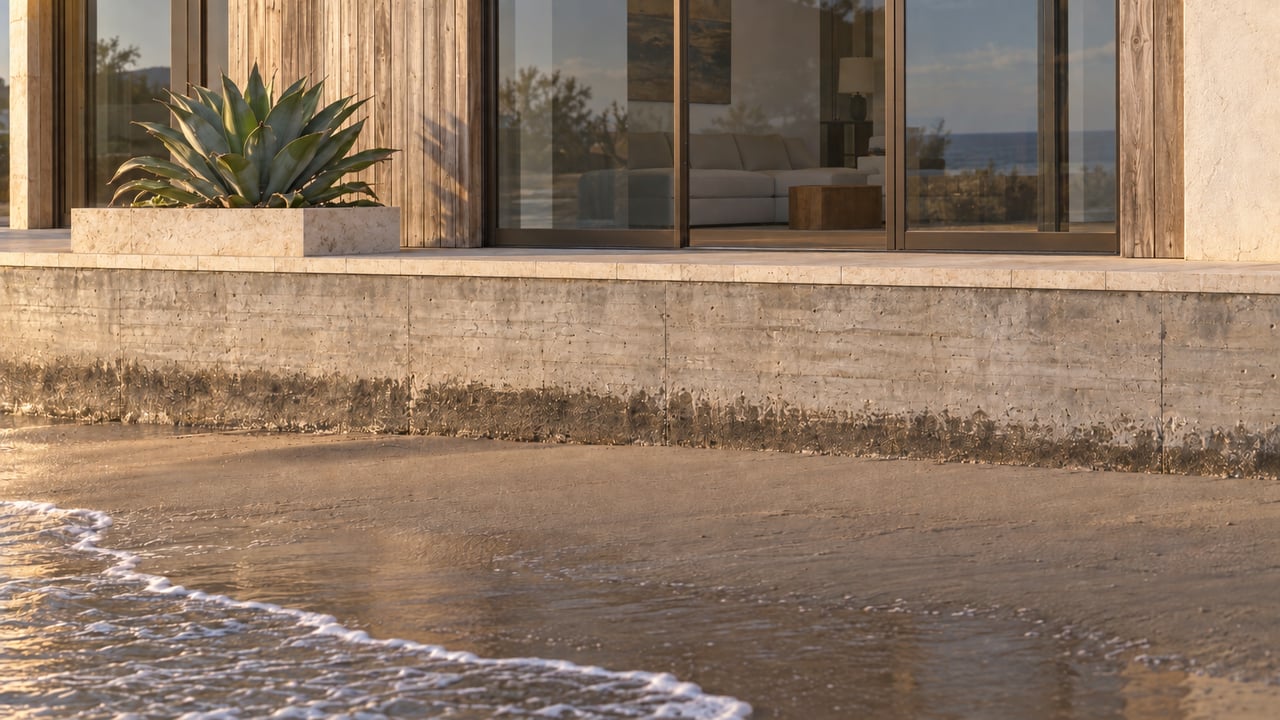
- Direct oceanfront on the sand
- Easiest daily access with dramatic views. Exposure to storms and less privacy at busy times. Usable sand may narrow at higher tides.
- Blufftop above the sand
- Elevated views and more privacy. Access often requires a long stair run. Consider effort, lighting, and seasonal stability.
- Terraced or below-bluff pathways
- Multiple landings and steep segments are common. Safety features, tread depth, and handrails matter.
- Nearby public access, no private stairs
- You reach the beach via a public staircase or street-end path. Convenience depends on parking, crowds, and distance.
Common access setups you will see
- Private stairs from the residence to the sand
- Maximum convenience for owners. Expect ongoing maintenance and permit oversight for repair or replacement.
- Shared easement stairs or paths
- Several homes use a recorded access route. Review documents to confirm cost sharing, rules, and liability.
- Community or HOA-maintained access
- Centralized care and consistent rules for owners and guests. Costs and regulations are set by the association.
- Public access points
- At state and county beaches, you use public lots and stairways. For example, El Matador is part of a state beach system with public stair access managed by California State Parks. See Robert H. Meyer Memorial State Beach for context.
- Street-end access with limited parking
- Street termini often include stairways or ramps. Parking enforcement and capacity affect guest convenience.
In areas like Carbon Beach and parts of western Malibu, many homes rely on private stairs and controlled entries. Public parking nearby can be limited. At larger public beaches with more amenities and lifeguards, such as Zuma, access is easier for guests but busier overall. Review amenities and access details through LA County Beaches and Harbors for Zuma Beach.
Usability factors that shape your routine
- Tides and sand width
- High tide can reduce or eliminate dry sand in many spots. Visit at low and spring high tides and study local tide predictions with NOAA tide tables.
- Stairs, ramps, and physical effort
- Count steps and check steepness, handrails, tread size, and landing shelves for gear. Consider older adults, kids, and nighttime use.
- Safety and lighting
- Narrow, slick, or poorly lit stairways can be hazardous. Confirm lighting and rail integrity.
- Parking and drop-off
- Many lots fill quickly on weekends. Some neighborhoods have residential restrictions. Verify guest plans and routes.
- Amenities and services
- Lifeguards, restrooms, and showers are common at major beaches like Zuma and Leo Carrillo. Smaller coves may lack services.
- Surf and water conditions
- Malibu has iconic surf breaks and rip currents in certain areas. Check advisories and coverage through LA County Lifeguards.
- Noise, crowds, and privacy
- Public access points bring foot traffic. Private stairs help with convenience but do not make the wet sand private.
- Maintenance responsibility and costs
- Private access structures are your responsibility. Storms can create sudden repair needs and trigger permit reviews.
- Insurance, risk, and resale
- Flood and erosion risk affect insurance availability and cost. Lenders and appraisers consider climate risk and shoreline change. For scientific context on coastal erosion, review USGS coastal change hazards resources.
Lifestyle tradeoffs to weigh
- Privacy vs convenience
- Private stairs maximize control but add cost and upkeep. Public access can be easy for guests, yet busier around your home.
- Views vs access
- Blufftop homes deliver panoramic views and more privacy. On-the-sand homes offer instant access but often see more public activity.
- Seasonal usability
- Some beaches are wide and walkable only at certain tides or times of year. Match the profile to how you plan to use the beach.
- Guest experience
- Consider parking supply, stair width, and distance to restrooms or showers. Plan for carrying chairs and coolers.
- Maintenance and regulatory exposure
- Understand the permit history for stairs and any shoreline structures. Expect oversight for future work.
- Long-term hazards
- Sea-level rise and bluff retreat can impact access and value over time. Use the NOAA Sea Level Rise Viewer to understand exposure scenarios.
Due diligence before you write an offer
Use this focused checklist to confirm access, comfort, and risk:
- Review the deed and title for recorded easements, dedications, or rights-of-way.
- Obtain shared-access maintenance agreements, HOA covenants, and cost-sharing details.
- Request past permits and any correspondence with the City of Malibu or the Coastal Commission related to stairs, armoring, or access.
- Visit at low tide and at a spring high tide to see real sand width and lateral walkability.
- Confirm guest parking, drop-off routes, and any residential parking restrictions.
- Identify who maintains nearby access points and whether changes are planned.
- Ask about insurance availability and costs tied to ocean exposure and any recent storm repairs.
- Speak with neighbors or the HOA about foot traffic, maintenance practices, and any access disputes.
For process and records, start with the City of Malibu Planning Department and the California Coastal Commission’s permit guidance.
Smart questions to ask during showings
- How many stairs are there, and what is the steepness and rail condition?
- At what tide levels does the dry sand disappear in front of this property?
- Who pays for access structure maintenance, and what is the annual cost history?
- Are there recorded easements benefiting or burdening this lot?
- What is the permit history for the stairs, decks, or shoreline protection?
- Where do guests park on peak summer weekends, and how far is the walk?
- Are there lifeguards or restrooms nearby, and how crowded does it get?
Final thoughts and next steps
The right Malibu beach home should fit your lifestyle every day, not just in listing photos. When you match frontage type, access setup, tide behavior, and maintenance realities to how you live, the beach becomes an easy extension of your home. A careful review of permits, easements, and seasonal conditions will help you buy with confidence.
If you want discreet guidance and curated options that align with privacy, access, and long-term value, connect with Alex Purewal for a private consultation.
FAQs
How does the mean high tide line affect privacy for Malibu beach homes?
- In California, the public generally has rights seaward of the mean high tide line, so expect people to traverse the wet sand; see the Coastal Commission’s public access resources.
What permits might I need to repair or add beach stairs in Malibu?
- Stairs, decks, or shoreline protection typically require coastal development permits and city review; start with Malibu Planning and the Coastal Commission’s permit guidance.
How do Malibu tides change usable sand during the day?
- High tide can narrow or eliminate dry sand on many beaches; check local predictions and plan visits around the NOAA tide tables.
Are public beaches like Zuma better for guest parking?
- Larger public beaches often have more parking, lifeguards, and amenities, though they can get busy; review details via LA County Beaches and Harbors for Zuma Beach.
What risks should I consider for blufftop homes in Malibu?
- Bluff retreat, seasonal instability, and stair maintenance are key factors; for scientific context on erosion and hazards, see USGS coastal change resources.