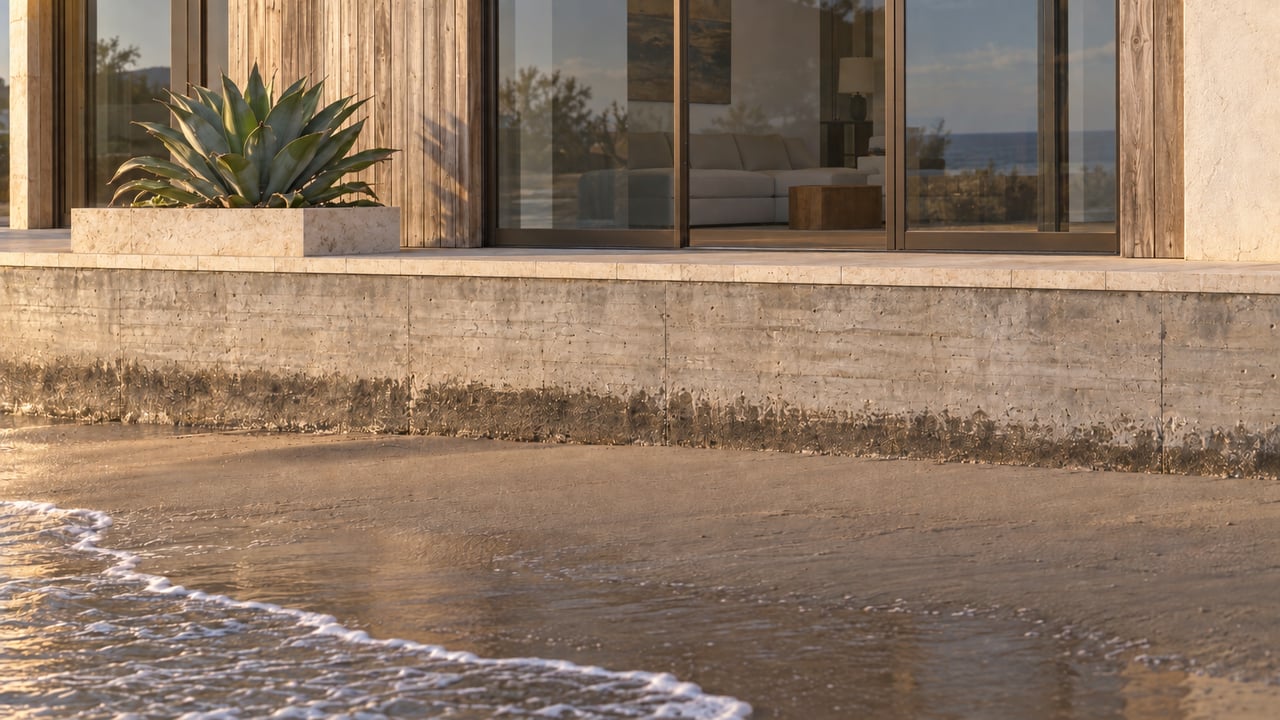
Waking up to the Pacific at your doorstep sounds effortless, but living oceanfront in Malibu is a lifestyle you plan, not a fantasy you stumble into. You want privacy, beauty and easy beach time, yet you also want to know the tradeoffs before you buy. In this guide, you’ll learn how different stretches of coastline live, what beach access really means, the daily rhythm you can expect, the true costs and risks, and the due diligence that protects you. Let’s dive in.
What “oceanfront” means here
Not all Malibu oceanfront is the same. The city stretches along Pacific Coast Highway, and each corridor offers a distinct feel and level of privacy.
Western Malibu and Point Dume
You’ll find wider beaches, larger public parks and a relaxed, recreational vibe. It feels open and family friendly during the day, and it draws beachgoers on sunny weekends. Expect easier park-and-surf access and more daytime activity along the sand.
Central Malibu near the Pier
This is the heart of classic Malibu surf culture with restaurants, boutique shopping and the pier. It’s energetic and walkable by the water, which means more visitors and traffic in peak seasons. If you like being near coffee, dining and a lively scene, this zone delivers.
Eastern Malibu and estate pockets
Areas like Carbon Beach and nearby enclaves skew toward high-end estates with a more private feel. Parcels can be larger and gated. The tradeoff for privacy is fewer casual services within walking distance and more reliance on a short drive for errands.
Property types and access
Oceanfront ranges from mid-century cottages to modern compounds. Many homes have private stairs to the sand, while others rely on public access points. Condominium-style oceanfront options are limited compared to single-family estates.
Beach access and coastal rules
California protects public access to the shore. The wet sand seaward of the mean high tide is public, but access routes across private land vary by parcel. Before you rely on a staircase or path, verify that the rights are recorded and in good standing.
- The California Coastal Commission oversees the Coastal Act and regulates development along the coast. Most oceanfront work requires a Coastal Development Permit.
- Review Coastal Development Permit guidance if you plan to add to, remodel or stabilize a bluff-side home.
- Check City of Malibu planning and permitting for local setbacks, geotechnical requirements and public access conditions.
Seawalls and hard armoring face strict scrutiny because they can accelerate beach loss. If private beach access is important, confirm any easements and the status of bluff stabilization permits during due diligence.
Daily life, privacy and seasons
Privacy is a prime value here. Many estates use gates, security and staff to protect quiet living. That said, high-profile residents can attract attention, and helicopter traffic is a known, intermittent noise source in some areas.
Beach communities shift with the seasons. Summer weekends bring crowds to popular stretches and restaurants. Winters are cooler and calmer, with more marine layer. Central Malibu is lively and convenient, while quiet pockets east or west feel more secluded.
You’ll find boutique dining and services near the pier and main commercial nodes. For major hospitals, larger grocery selections and specialty services, expect a drive inland or to nearby cities. Families can explore public school options through the Santa Monica–Malibu Unified School District as well as private school alternatives.
Visit like a local
Before you commit, plan multiple site visits to test the lifestyle:
- Weekday at 8 a.m. for commute and helicopter activity.
- Weekend midday in summer for beach crowds and parking.
- Evening for restaurant traffic, noise and lighting.
- After a winter storm for drainage, surf impacts and erosion clues.
Bring a notebook and record what you hear, see and feel. Small observations often drive long-term satisfaction.
Risks, insurance and upkeep
Owning oceanfront property is both a privilege and a responsibility. The coast is dynamic, and that affects risk, coverage and maintenance.
- Erosion and sea-level rise. Bluff stability and shoreline retreat are real considerations. Review the California Ocean Protection Council sea-level rise guidance and plan for long-term adaptation where needed.
- Wildfire risk. Malibu’s history includes significant fire events. Study defensible-space standards from CAL FIRE and confirm local compliance for any property you’re considering.
- Flood and storm exposure. Winter storms can affect beaches and coastal structures. Use the FEMA Flood Map Service Center to understand parcel-specific flood zones.
- Insurance reality. Expect higher premiums and stricter underwriting for homeowners, flood, wind and wildfire coverage. Start early with the California Department of Insurance consumer resources and request multiple quotes to test availability.
- Coastal maintenance. Salt air accelerates corrosion and wear. Plan for more frequent exterior painting, sealing, hardware replacement and HVAC service.
- Utilities. Some homes connect to municipal systems while others rely on septic. Septic capacity can limit remodel plans, so confirm system condition and permitting history.
Costs beyond the mortgage
- Property taxes on high-value parcels.
- Insurance premiums and deductibles suited to coastal hazards.
- Routine exterior maintenance, landscaping and mechanicals.
- Possible HOA dues in private or gated enclaves.
- Geotechnical studies and permitting for improvements.
Traffic, parking and commutes
Pacific Coast Highway is the main route, and travel times can vary widely by season and time of day. Summer weekends and holiday periods slow things down near the pier and popular beaches.
Parking is limited at many beach access points. Public lots help in some areas, while street parking near central Malibu can be tight and enforced. If you host often, make sure your property offers enough guest parking and easy driveway access.
PCH can close during major storms, wildfires, or construction. Keep an emergency plan and know alternative routes.
Due diligence checklist
Protect your purchase with a methodical approach and the right experts.
- Title and access
- Confirm recorded beach-access easements and any rights-of-way.
- Check for encumbrances tied to bluff or shoreline protection.
- Inspections and reports
- Geotechnical report focused on erosion and slope stability.
- Structural and foundation inspection, including stairs and any armoring.
- Hazard reviews for wildfire, flood exposure and past storm impacts.
- Insurance pre-checks
- Obtain quotes or conditional commitments for homeowners, flood, wind and wildfire.
- Ask about deductibles, exclusions and renewal risk.
- Utilities and systems
- Verify sewer versus septic and confirm septic capacity for your plans.
- Review water, power and broadband service reliability.
- Permitting and feasibility
- Map out permit timelines and likely conditions for remodels.
- Budget for geotechnical mitigation and coastal compliance.
- Lifestyle testing
- Visit at multiple times and seasons.
- Talk with neighbors or a local property manager about maintenance and response times.
- Emergency readiness
- Confirm evacuation routes and PCH vulnerabilities.
- Note proximity to fire stations and lifeguard services.
Is Malibu oceanfront right for you?
If you want daily ocean views, private beach walks and a refined coastal lifestyle, Malibu delivers like few places on earth. The tradeoffs are real, from higher maintenance and insurance to seasonal crowds and permitting complexity. With clear expectations and careful due diligence, you can secure an oceanfront home that fits your privacy needs, design goals and long-term plans.
If you want a discreet, guided search with access to both listed and private inventory, reach out to Alex Purewal. You’ll get tailored advice, on-the-ground insights and a curated path to the right oceanfront property.
FAQs
How private are different Malibu oceanfront areas?
- Western stretches feel more open and recreational, central areas near the pier are busier and walkable, and select eastern enclaves offer more privacy with larger estates.
Do I own the beach in front of a Malibu home?
- The wet sand seaward of the mean high tide is public. Verify recorded access rights or easements if a property advertises private access across the bluff or stairs.
How difficult is it to remodel a bluff-top home?
- Most coastal work needs a Coastal Development Permit plus geotechnical studies, and new seawalls are heavily regulated. Expect longer timelines and detailed conditions.
How noisy are helicopters and beach activity?
- It varies by location and season. Visit at multiple times to gauge helicopter traffic, beach crowds, surf noise and events near the pier or parks.
What should I expect for insurance on an oceanfront home?
- Premiums are typically higher and coverage can be harder to place. Start early, get multiple quotes and review wind, flood and wildfire options.
Is Malibu practical for year-round family living?
- Many families live year-round, balancing longer drives for some services with local schools through the Santa Monica–Malibu Unified School District and abundant outdoor recreation.
What is the commute like to Santa Monica or West LA?
- Travel times on Pacific Coast Highway fluctuate by season and time of day. Summer weekends and holidays can significantly increase congestion near popular beaches.