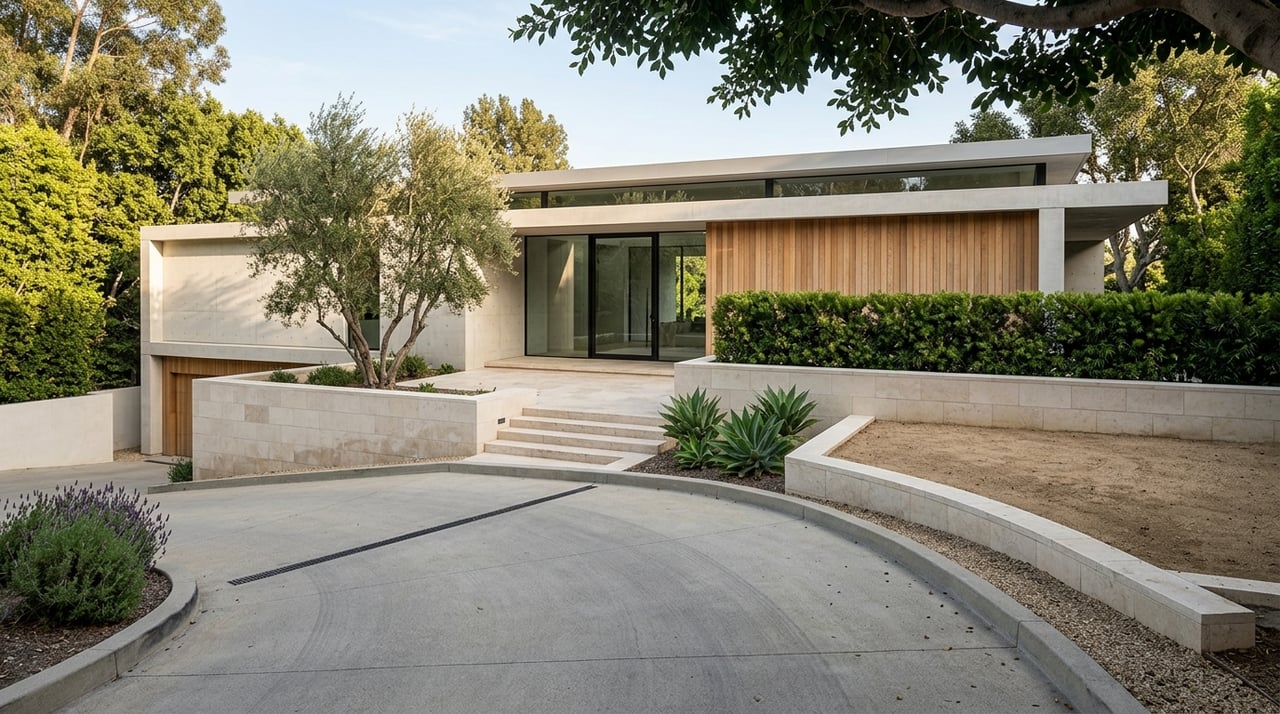
If you are looking at land along the Malibu Coast, you already know this is not a simple raw-land market. Malibu offers rare shoreline and hillside opportunities, but scarcity, regulation, and site conditions shape almost every deal. The good news is that with the right diligence, you can better understand where opportunity exists, what drives value, and where risk tends to enter the process. Let’s dive in.
Why Malibu land is different
Malibu is one of the most tightly regulated coastal markets in California. Because the city lies entirely within the Coastal Zone, development generally cannot begin until a coastal development permit has been issued by the local government or the California Coastal Commission, depending on the project and location. The city directs applicants to start with Malibu Municipal Code Title 17 and the Local Coastal Program framework, which guide most land-use decisions.
That matters because land value in Malibu is rarely just about size or views. It is also about what can realistically be approved, engineered, and built within the city’s rules. In a market this constrained, a parcel with a cleaner path to entitlement can be far more compelling than a larger site with major physical or regulatory obstacles.
Scarcity drives the opportunity set
Malibu’s own housing documents make clear that developable land is limited. According to the city, only a small portion of vacant land is suitable for development because of steep hillsides, unstable soils and subsurface conditions, extreme fire hazards, environmentally sensitive habitat areas, and the lack of a centralized sewer system in most areas. You can review those constraints in the city’s Housing Element.
For you as a buyer or investor, that usually means true buildable land is rare. Many opportunities along the Malibu Coast are more likely to involve teardown properties, strategic redevelopment, or larger parcel repositioning rather than a classic vacant-lot purchase with a straightforward build path.
Where development opportunities tend to appear
Malibu’s General Plan identifies five residential land-use categories: Rural Residential, Single-Family Residential, Multi-Family, Multi-Family Beachfront, and Mobile Home Residential. The city also notes that residential uses are permitted in RR, SF, MF, MFBF, MH, PD, and AHO districts, with densities ranging from about one unit per 20 acres in lower-density rural areas up to six units per acre in multifamily areas. These zoning basics are summarized in the city’s Housing Element.
In practical terms, Malibu land opportunities tend to fall into a few narrow categories:
- Large rural or single-family parcels with estate potential
- Rare beachfront or bluff-adjacent sites with premium view value
- Redevelopment sites in select Pacific Coast Highway and Civic Center locations
- Assemblage or lot-line-adjustment plays tied to larger planning strategies
The city’s Housing Resources for Builders page also points to specific Affordable Housing Overlay sites along Pacific Coast Highway and part of the La Paz Civic Center property, which are among the few places where higher-density multifamily development is specifically contemplated.
Beachfront land: premium value, premium complexity
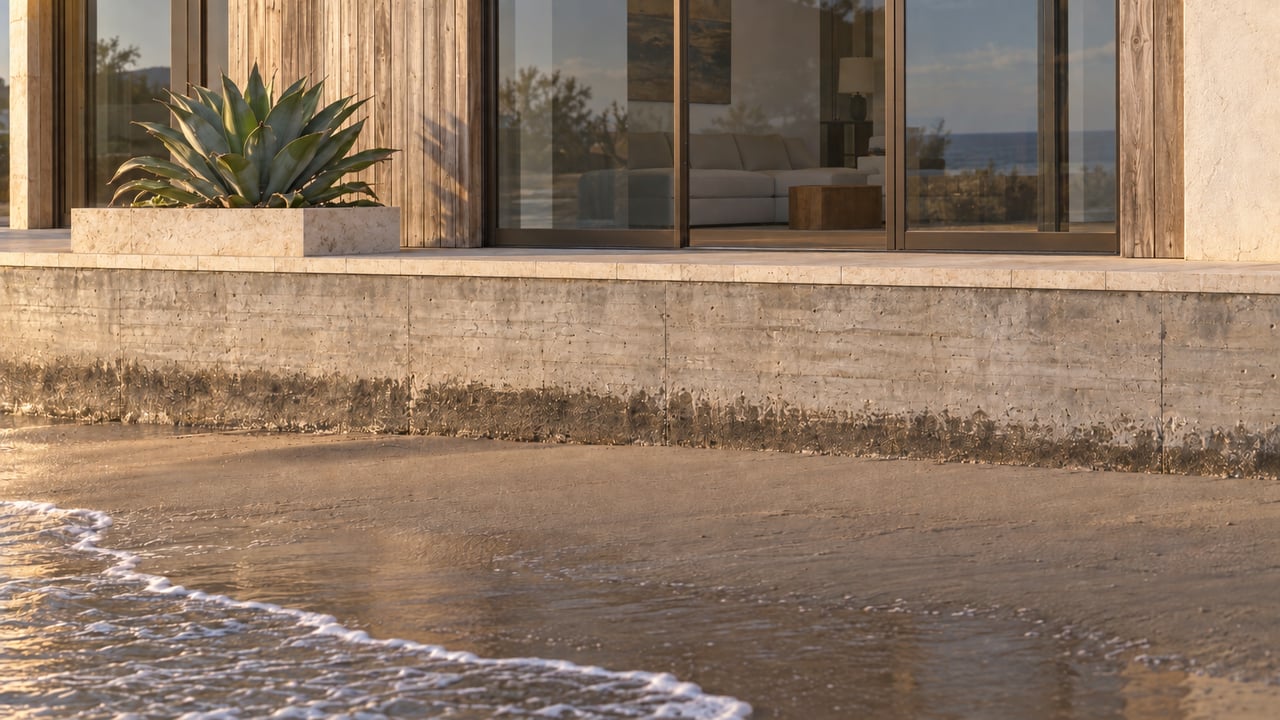
Beachfront and blufftop parcels often carry the strongest pricing power because they offer Malibu’s most limited and sought-after settings. At the same time, they also face the most concentrated coastal constraints.
Malibu’s Local Coastal Program states that new shoreline or bluff development must be sited and designed to avoid erosion, inundation, wave uprush, and sea-level-rise hazards over the expected 100-year economic life of the structure. The city also requires new development to sit at least 10 feet landward of the surveyed mean high tide line, while blufftop development generally must be set back at least 100 feet from the bluff edge unless a reduced 50-foot setback is supported by the city geologist and other required criteria. Those standards are outlined in the city’s Local Coastal Program materials.
For many coastal sites, engineering review is also a major part of the process. Malibu’s Coastal Engineering Guidelines note that shoreline projects may require coastal engineering review, wave run-up analysis, and coordination with other specialists.
If you are evaluating a beachfront lot, it helps to look beyond the listing language. A strong opportunity is not just a beautiful site. It is a site where setbacks, hazard response, engineering, and timing line up in a way that makes the project feasible.
Hillside parcels bring a different kind of diligence
Hillside land can offer privacy, scale, and wide-angle ocean views, but it comes with its own set of issues. Malibu’s Housing Element notes that suitable land is constrained by steep hillsides, unstable soils, and fire hazards. The city also states that all of Malibu sits within a CAL FIRE Very High Fire Hazard Severity Zone, and properties sold within city limits are subject to California’s defensible-space disclosure requirements under AB 38. These issues are summarized in the city’s Housing Element.
That shifts your diligence. On a hillside parcel, the key questions often involve grading, geotechnical conditions, site access, defensible space, and what wildfire-hardening measures may be required. A hillside site may avoid some shoreline-specific review, but it can still present substantial cost and entitlement considerations.
Wastewater can shape what is possible
One of the less glamorous but very important parts of Malibu development is wastewater infrastructure. The city states that a coastal development permit is required for installing a new onsite wastewater treatment system, and environmental health staff reviews whether an existing or proposed system can handle expected flows. The city’s process is explained on its onsite wastewater system page.
The Civic Center area stands apart because Malibu has a centralized treatment facility there, developed in response to regulatory actions that prohibited onsite wastewater discharges in that area. If you are comparing parcels, wastewater handling can have a direct impact on feasibility, design options, and timeline.
Permit timelines vary more than most buyers expect
In Malibu, the permitting path depends heavily on what you plan to do. The city says simple rebuilds that remain within the same footprint and envelope may move through Planning Verification in about 20 to 30 days. More involved rebuilds may require Administrative Plan Review with Site Plan Review and typically take three to six months. A regular coastal development permit for a larger rebuild or relocated structure is much longer, with the city posting a typical timeline of 12 to 18 months. You can see those pathways on Malibu’s application guidance page.
That timeline alone can materially change the economics of a deal. A site with a shorter, more predictable planning route may hold more practical value than a parcel that looks impressive on paper but enters a longer discretionary process with hearings and potential appeals.
After planning, building review still follows
Planning approval is only one phase. Malibu states that planning approval is required before a project can move into Building Safety plan check, and plans must be prepared by a licensed design professional and submitted for zoning and building code review before permits are issued. The city outlines that post-entitlement process in its building review guidance.
For some coastal projects, there is also a conformance review by coastal engineering staff. According to the city’s guidance, that review is typically completed within 15 working days, although complex sites can take longer. On higher-value land deals, those later steps still matter because they affect carrying costs, project sequencing, and closing strategy.
Confirm jurisdiction before you underwrite
This sounds basic, but it is an important early step. Malibu’s permit-search page notes that if a parcel sits outside Malibu city limits, permit records and related documents must be obtained through Los Angeles County Regional Planning rather than the City of Malibu. You can verify that through the city’s permit search portal.
If you are evaluating land along the coast, do not assume the City of Malibu controls every parcel that carries a Malibu address. Jurisdiction affects records access, process, and the agencies involved in your diligence.
A practical checklist for Malibu land buyers
Before you move forward on a Malibu land or redevelopment opportunity, it helps to pressure-test the deal through a focused checklist:
- Confirm whether the parcel is inside Malibu city limits
- Identify the zoning and applicable land-use category
- Review whether the site is more suitable for rebuild, redevelopment, or new construction
- Understand whether coastal development permit review is required
- Evaluate bluff, shoreline, sea-level-rise, and erosion constraints where relevant
- Review geotechnical, grading, and access conditions on hillside sites
- Determine wastewater requirements and system feasibility
- Budget for design professionals, engineering, and longer planning timelines
- Account for hearing, appeal, and public-process risk on discretionary projects
In Malibu, disciplined upfront diligence is not optional. It is often the difference between acquiring a trophy opportunity and inheriting a long, expensive approval process with too many unknowns.
What smart opportunity looks like today
The most attractive Malibu Coast land opportunities are not always the most obvious ones. In many cases, value comes from finding a parcel where the physical setting, zoning framework, and permit path are aligned well enough to support a realistic business plan.
That may mean a teardown with a shorter rebuild route. It may mean a larger parcel where privacy, topography, and estate potential justify the process. Or it may mean a highly selective coastal site where the rarity of the setting offsets the added engineering and entitlement work.
In a market as supply-constrained as Malibu, access and interpretation matter. If you want a private, informed view of land, redevelopment, or assemblage opportunities along the coast, Alex Purewal offers discreet, high-touch guidance tailored to complex Malibu transactions.
FAQs
What makes Malibu land difficult to develop?
- Malibu development is shaped by coastal permit requirements, limited suitable vacant land, steep hillsides, unstable soils, fire hazards, habitat constraints, and wastewater infrastructure limitations, according to the city’s planning documents.
Are teardown properties easier than vacant land in Malibu?
- They can be, especially when a project qualifies for a simpler rebuild path, but larger changes can still trigger longer discretionary coastal development permit review.
Are beachfront lots the best Malibu development opportunities?
- Beachfront lots can be among the most valuable, but they also carry heightened coastal hazard, setback, engineering, and sea-level-rise considerations.
How long does the Malibu permit process take for development?
- Timelines vary widely, from roughly 20 to 30 days for certain simple rebuild verifications to 12 to 18 months for regular coastal development permits on larger or more complex projects.
Why does wastewater matter for Malibu land purchases?
- Because new onsite wastewater treatment systems require review and permitting, and in many areas wastewater capacity can directly affect what can be built on a site.
Do all Malibu-address properties fall under the City of Malibu?
- No. Some parcels may fall outside city limits, in which case permit records and planning review are handled through Los Angeles County rather than the City of Malibu.