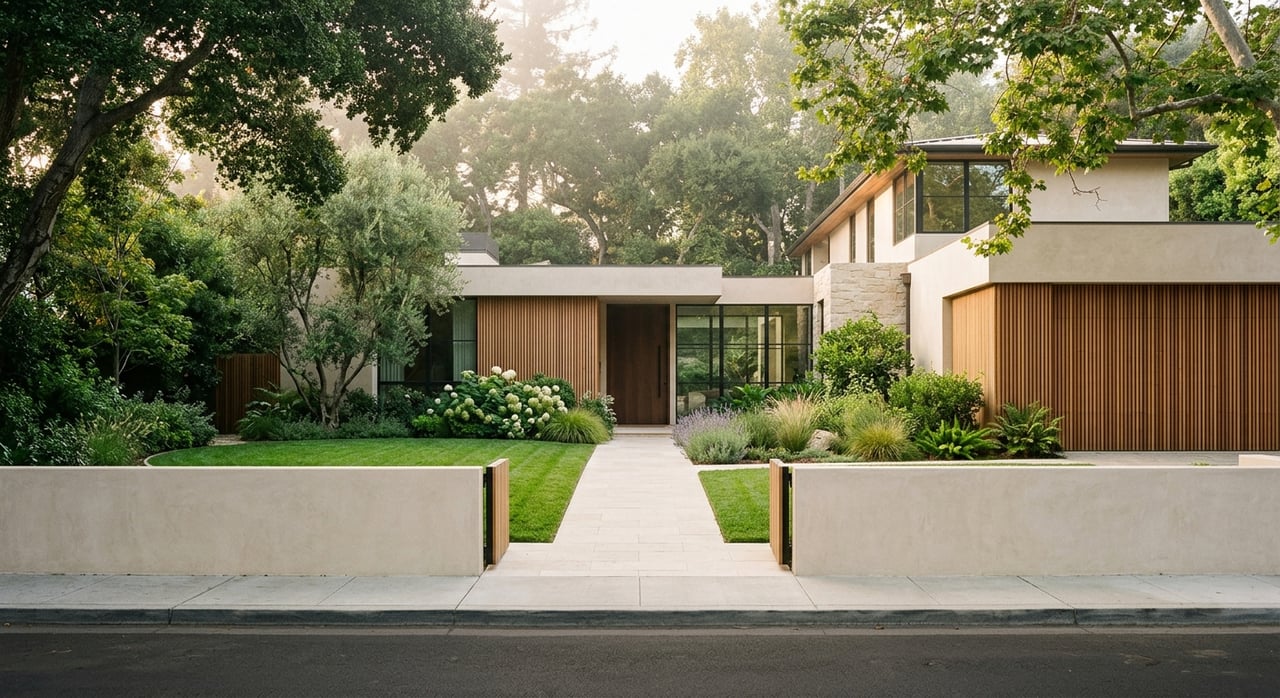
If you want Santa Monica at its most established and residential, North of Montana is usually the first neighborhood that comes up. This pocket offers a quieter, low-rise setting with wide streets, mature trees, and easy access to both the coast and daily conveniences. If you are weighing a move here, it helps to understand how the area actually lives day to day, what the housing stock looks like, and where the neighborhood changes from block to block. Let’s dive in.
North of Montana at a glance
North of Montana is generally considered the northernmost residential neighborhood in Santa Monica and one of its most established upscale areas. Local definitions vary slightly, but the neighborhood is commonly described as running north of Montana Avenue toward the city limits, with the ocean to the west and 26th Street to the east in many local references.
The area built much of its identity in the 1920s and 1930s. Santa Monica’s historic context ties its early reputation to its mesa and beachfront setting, generous parcels, and access to the former Pacific Electric railway. Today, that history still shows up in the scale of the streets, the lot patterns, and the mix of older homes and carefully updated properties.
Why buyers look here
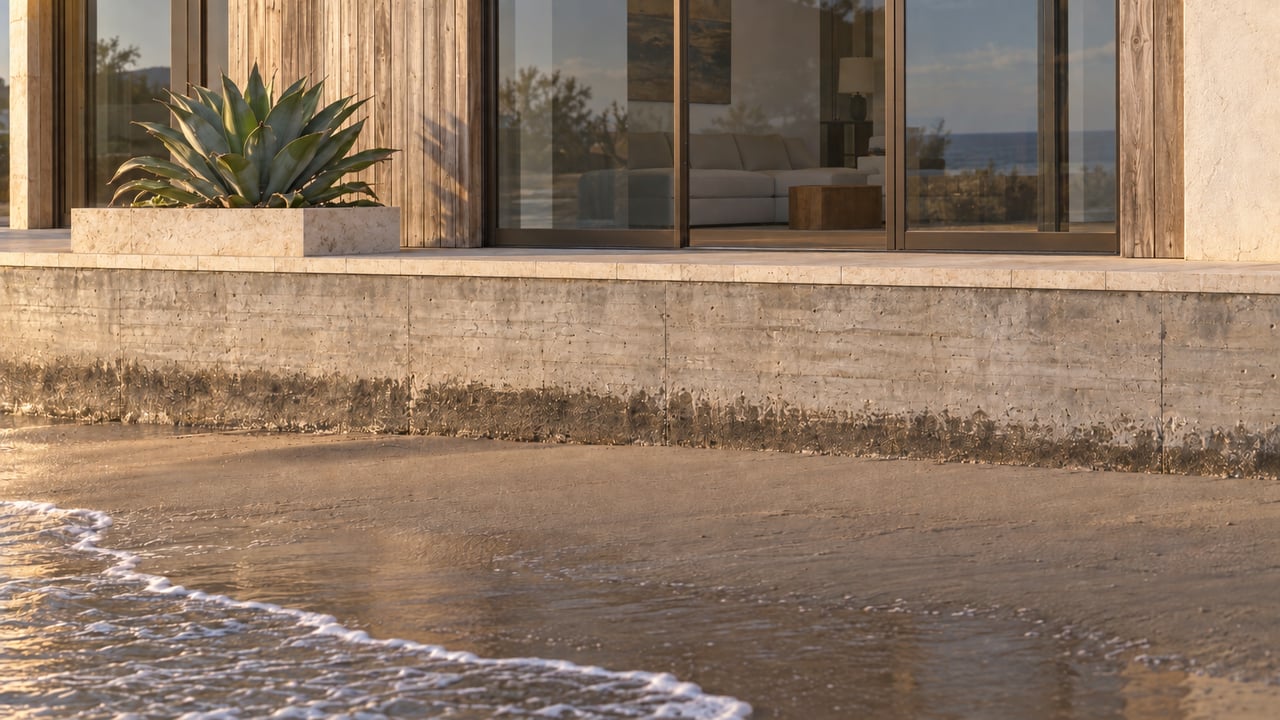
For many buyers, the appeal is simple. North of Montana offers a more peaceful residential feel while keeping you close to Montana Avenue, Palisades Park, and the beach. It works well if you want a neighborhood that feels established rather than overly dense or high-rise.
There is also a strong sense of physical openness here. The city describes broad parkways, wide streets, mature street trees, and larger parcels across much of the neighborhood. That combination can create a more private, spacious feel than you find in other parts of Santa Monica.
Housing stock and lot sizes
The core of North of Montana is mostly low-density, one- to two-story single-family housing. Large parcels are a defining part of the neighborhood fabric, especially compared with more compact parts of the city. East of 7th Street, typical lot sizes are often in the 7,500 to 9,000 square foot range, while parcels north of San Vicente Boulevard can be larger and more irregular in shape.
That said, the neighborhood is not uniform. Ocean Avenue includes medium-density housing, and San Vicente Boulevard includes courtyard apartment buildings organized around shared courtyards. So while the area is primarily known for single-family homes, it is not exclusively made up of them.
What that means for your search
If you are searching in North of Montana, it helps to avoid assuming every block offers the same product. Some streets are defined by larger older homes and substantial yards, while others include a mix of preserved vintage houses, tasteful remodels, and selective new construction.
This matters because your priorities may shift depending on what you value most. You may care more about lot width, yard depth, architectural character, or proximity to Montana Avenue. In a neighborhood like this, micro-location can shape the feel of a property just as much as the address itself.
Architecture and neighborhood character
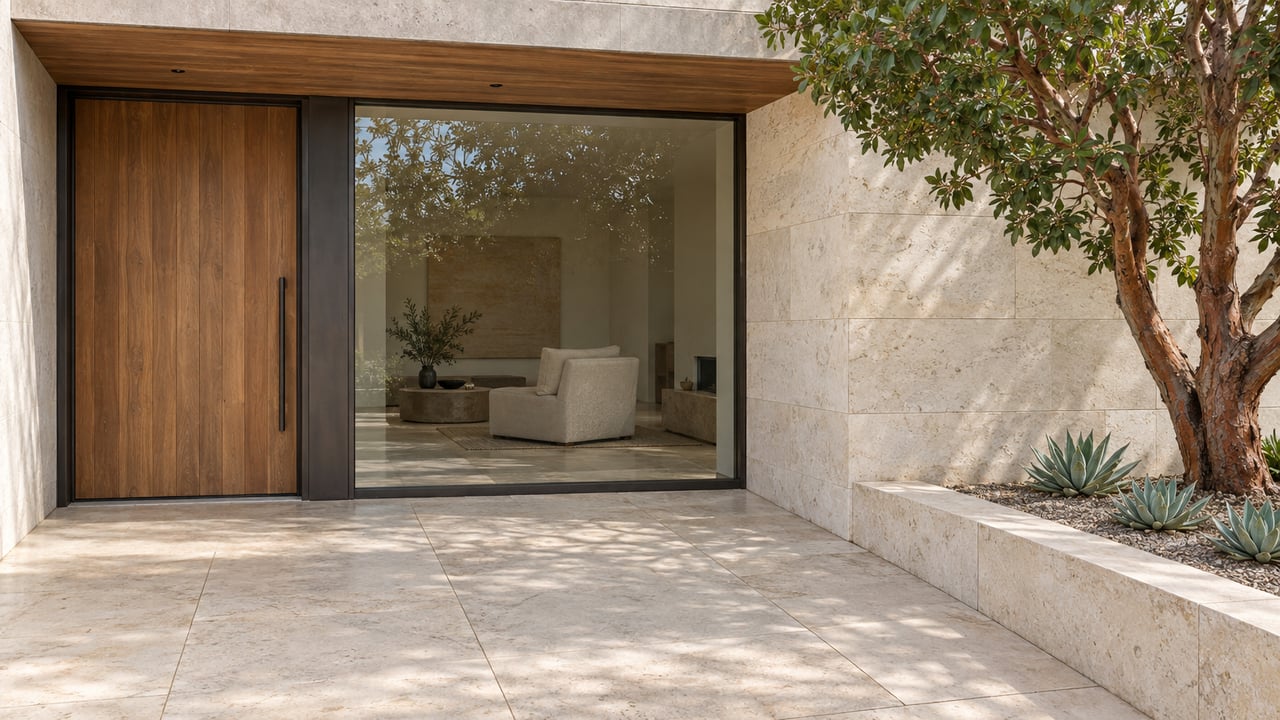
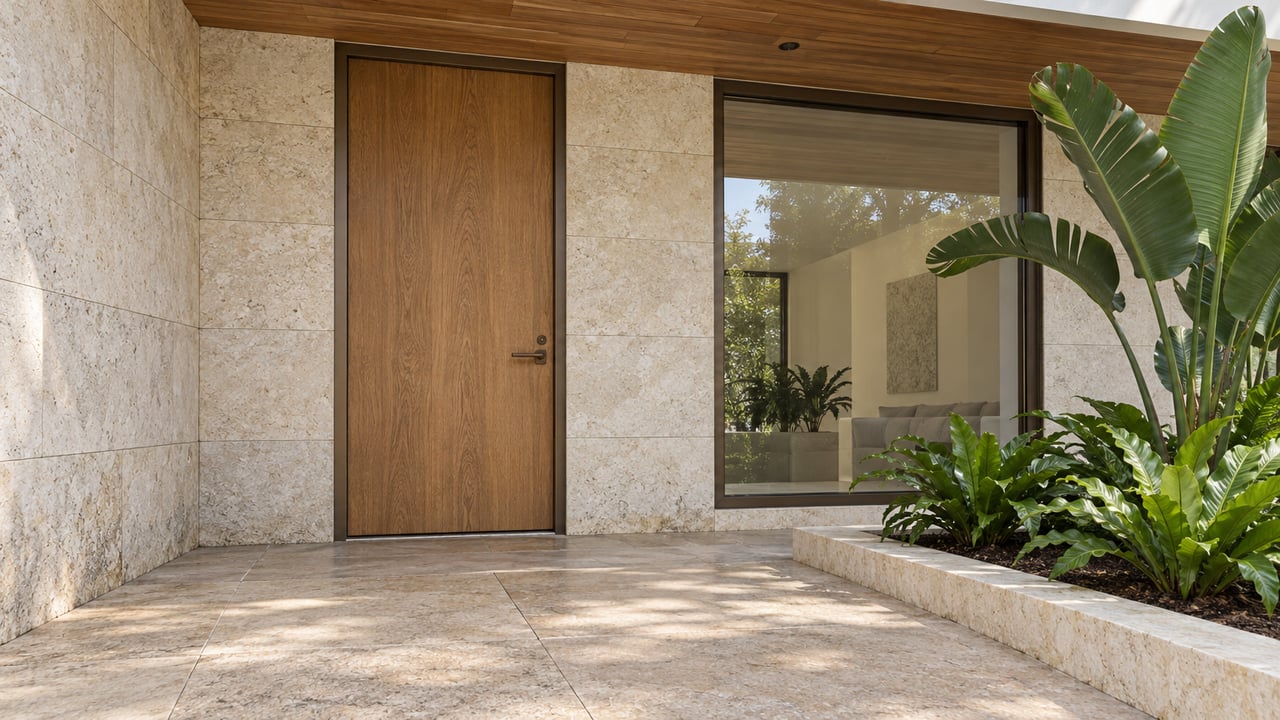
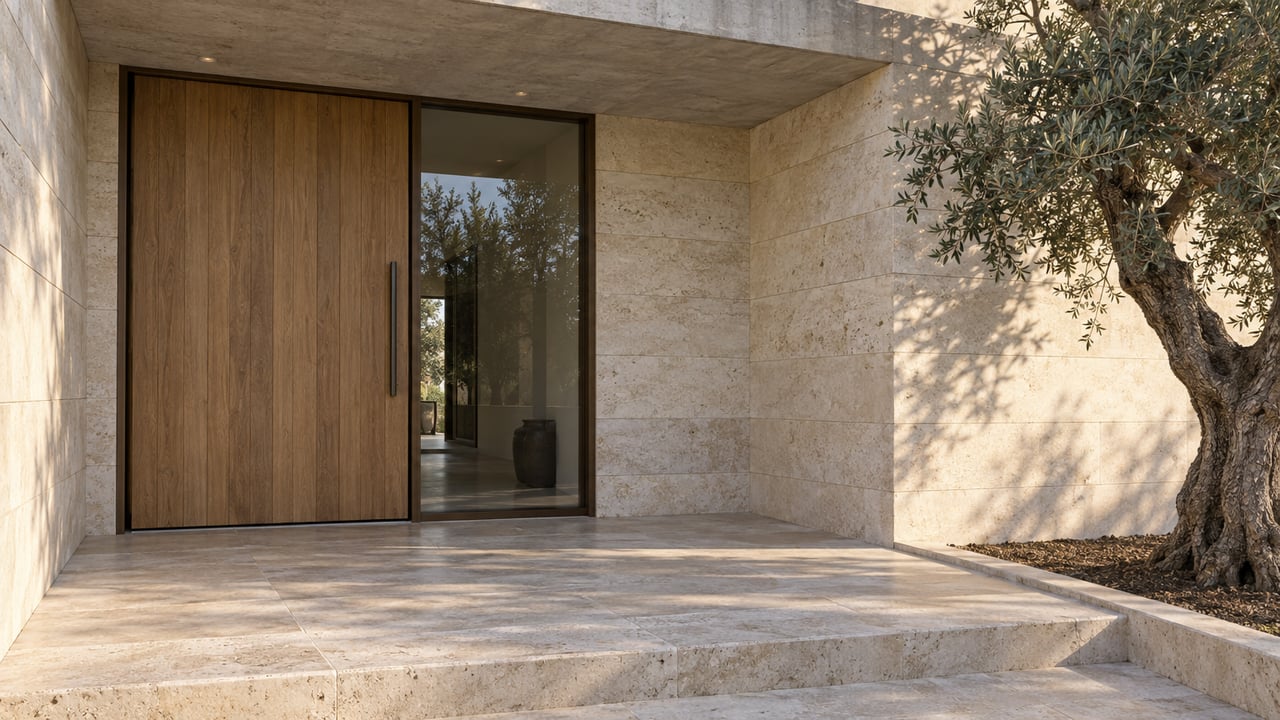
North of Montana has a layered architectural identity rather than a single signature style. Santa Monica notes that the neighborhood supports a range of architectural expressions, including many historic homes designed by notable architects. That variety is part of what gives the area its long-term appeal.
You will often see an interplay between older houses with original character, sensitive renovations, and newer homes that respond to current design preferences. Some streets, including Adelaide Drive and La Mesa Drive, are considered potential historic districts. That helps explain why parts of the neighborhood can feel especially intact and visually consistent.
A low-rise look by design
The neighborhood’s scale is also shaped by city rules. In 2019, Santa Monica updated standards for single-unit R1 neighborhoods, including North of Montana, with a 28-foot maximum building height and 45 percent maximum parcel coverage for new construction. Accessory dwelling units are exempt from parcel coverage.
For buyers, the practical takeaway is that the area’s low-rise, yard-oriented character is not accidental. It is reinforced by development standards that help preserve space, light, and a more residential streetscape.
Montana Avenue and daily life
Montana Avenue is the neighborhood’s main commercial corridor and a big part of the lifestyle draw. Local sources describe it as a tree-lined, walkable main street with independent boutiques, cafes, bakeries, and restaurants. The broader district spans roughly from 7th Street to 17th Street and includes more than 150 shops and restaurants.
For day-to-day living, that convenience matters. You can fold coffee, errands, dining, and a walk into one local routine instead of treating them as separate drives. Because Montana Avenue runs toward the Pacific, the rhythm of the neighborhood often feels connected to both local commerce and the coast.
Nearby civic and outdoor amenities
North of Montana also benefits from nearby public amenities that support everyday use, not just weekend recreation. The Montana Avenue Branch of the Santa Monica Public Library serves much of the area and functions as a local hub for reading, learning, and community engagement.
Just south of the neighborhood, Palisades Park offers benches, picnic tables, public art, restrooms, and a walking path. That nearby coastal green space adds another layer to the area’s daily routine, especially if you value outdoor time close to home.
Getting around from North of Montana
Santa Monica has built much of its transportation strategy around walking, biking, and transit. The city reports that more than half of residents walk and bike daily, and as of 2022, 119 miles of bikeways had been built out of 187 miles planned.
That broader city framework supports the way North of Montana functions. Many local trips can be done on foot or by bike, especially around Montana Avenue and the nearby coast. At the same time, Santa Monica is served by four Metro E Line stations, including Downtown Santa Monica access, which connects the city directly with Downtown Los Angeles.
Why this matters for coastal-city living
If you split time between Santa Monica and the rest of Los Angeles, North of Montana can work well as a home base. The neighborhood supports a local, walkable routine, while the city’s transit network and major corridors still give you access to wider LA.
That balance is a big part of the appeal. You get a residential coastal setting without feeling cut off from the rest of the region.
Who North of Montana tends to suit
North of Montana is often a fit for buyers who want an established coastal neighborhood with a quieter feel, low-rise scale, and strong everyday conveniences. It can also appeal to those who value mature landscaping, larger parcels, and a setting that feels more residential than urban.
For luxury buyers in particular, the neighborhood offers a lifestyle that is refined without being overstated. Privacy, outdoor space, and proximity to the beach all tend to play an important role in the decision to live here.
What to keep in mind before buying
In a neighborhood like North of Montana, details matter. Two homes with similar square footage may live very differently depending on their lot shape, street position, architectural style, or distance from Montana Avenue.
It is also worth remembering that local boundaries can vary slightly depending on the source. If you are evaluating a specific property, the block-by-block context is often more useful than relying on the neighborhood name alone.
For buyers seeking a discreet, lifestyle-led search in Santa Monica’s coastal luxury market, having guidance on off-market possibilities, lot quality, and street-by-street differences can make the process more efficient. That is especially true in a neighborhood where inventory character can vary more than first impressions suggest.
If you are considering North of Montana and want a more tailored view of what fits your goals, Alex Purewal offers private, concierge-level guidance across the Los Angeles coastal corridor.
FAQs
What is North of Montana in Santa Monica?
- North of Montana is a residential neighborhood in northern Santa Monica, generally located above Montana Avenue and known for large parcels, mature trees, and a predominantly low-density housing pattern.
Is North of Montana only single-family housing?
- No. The area is mostly single-family homes in its core sections, but Ocean Avenue includes medium-density housing and San Vicente Boulevard includes courtyard apartment buildings.
What are lot sizes like in North of Montana?
- Lot sizes vary. East of 7th Street, typical lots are often around 7,500 to 9,000 square feet, while some areas north of San Vicente Boulevard include larger and more irregular parcels.
What is Montana Avenue like near North of Montana?
- Montana Avenue is the neighborhood’s main commercial corridor, with a walkable mix of boutiques, cafes, bakeries, restaurants, and other everyday conveniences.
How do you get around from North of Montana?
- Many local trips can be done on foot or by bike, and Santa Monica’s transit network includes four Metro E Line stations that connect the city with Downtown Los Angeles.
What kind of buyer is North of Montana best for?
- North of Montana often suits buyers who want an established, quiet coastal neighborhood with low-rise character, larger lots, nearby amenities, and easy access to the beach and the rest of Santa Monica.